


Here’s something that will change how you think about every meal:
We don’t eat to feed ourselves. We eat to feed our gut bacteria, and they eat to feed us.
There’s an intermediary between the food you eat and you: your gut microbiome. And this relationship determines your health more than almost anything else.
The Gut as Your Flow System
Before we dive into what to eat, let’s understand what your gut actually needs: flow.
Think of your vascular system, your elimination system, all of your organs. Nothing should be held up. The assembly line should be constantly in motion and flow. Anywhere there’s obstruction to flow, there are symptoms.
Your gut is the central highway of this system. When it’s clogged with waste, acidic buildup, and undigested matter, everything backs up. Inflammation increases. Energy drops. The immune system gets overwhelmed.
When your pathways are open and clear, and your cells are clean, your body can do what it was designed to do: regenerate, heal, and thrive.
The Microscopic World Inside You
Your gastrointestinal tract is about 10 meters long. A hollow tube that’s technically not even part of you until food gets broken down into tiny particles and absorbed into your blood.
Here’s the remarkable part: you have 100 trillion cells in your body, but there are 10 times more microorganisms living inside you than cells. Most live in your gut.
They’re not just passengers. They break down food, absorb nutrients, and protect your internal environment. In fact, an estimated 70% of your immune system is established by your gut flora.
The strength of your immune system, your ability to fight illness, your energy levels, even your mental clarity: all connected to the microscopic ecosystem in your gut.
What Destroys Your Gut Flora
Your gut bacteria are vulnerable. The biggest threat? Antibiotics. They come in like robots with one mission: kill bacteria. Yes, they kill the bad guys, but they also wipe out your beneficial bacteria.
Antibiotics should be lifesaving, not routine. Many families have raised children without them, and those kids are thriving with robust immune systems.
If you’re dealing with chronic congestion, excess mucus, sinus issues, post-nasal drip, or frequent illness, your body is reacting to something. Often, it’s these five:
Dairy (supermarket milk is very different from organic, raw milk)
Wheat (heavily modified and sprayed with glyphosate)
Oats (high in lectins that increase inflammation when gut flora is compromised)
Peanuts (commonly contaminated with mold)
Refined sugar (you know it)
Eliminate these for at least two months. Stock your pantry with alternatives first. Write it on your calendar. The effects can linger in your system long after you’ve eaten them, so patience is key.
Feeding Your Gut Flora: What Really Works
Your beneficial bacteria need fuel. But here’s where I want to share something important based on my own experience and years of observing what truly supports gut health.
The Real Probiotics: Life Force Foods
While fermented foods like kombucha and kefir have become trendy “probiotic” superstars, I’ve learned something different. These can be helpful transition tools especially if you’re weaning off soda or just starting your gut health journey. But they’re not the ultimate answer.
Here’s why: the bacteria in these fermented drinks and foods can turn rancid, both in the container and in your intestine. Your intestinal tract needs to be calmed and soothed, not revved up with bubbles and questionable bacterial strains.
The real probiotics—the true life generators—are foods with actual life force:
The Hierarchy of Alkalinity
The more alkaline the food, the more it magnetizes and helps release acidic waste from your cells. Here’s the hierarchy:
At the top: Fresh green juice, especially wheatgrass juice
Next: Medicinal greens like dandelion, watercress, arugula (super alkaline and cleansing)
Then: Dark leafy greens like spinach, kale, chard (eat them raw in salads or juice them fresh)
Finally: Green vegetables like romaine, celery, cucumber
Fresh sprouts - Broccoli sprouts, alfalfa sprouts, sunflower sprouts. These are bursting with enzymes and life force energy that your gut bacteria thrive on.
These aren’t theoretical probiotics that “should” work. These are life-supportive foods that actually nourish your gut’s ecosystem without creating chaos or rancidity.
Think of it this way: would you rather introduce lab-cultured bacteria that may or may not survive your stomach acid, or would you rather eat living foods that naturally support the beneficial bacteria already in your system?
Keep It Simple
The simpler you eat, the more your body can focus on healing rather than digesting complex combinations. Your gut doesn’t need elaborate recipes with twenty ingredients. It needs clean, simple, high-water-content foods that are easy to digest and full of life force. Read my post on Food Combining:

Poor Food Combining Example:
Imagine eating a steak dinner followed by fruit for dessert, it sits on top of the slow-digesting meat for 4-6 hours in your warm gut, fermenting like wine, creating alcohol, gas, and toxic byproducts that poison your system instead of nourishing it.
That slice of watermelon after your pasta? It’s fermenting on top of slow-digesting grains for hours, producing alcohol and acids that burden your liver and poison your bloodstream.
Prebiotics: What Feeds Your Bacteria
Fiber feeds your gut bacteria. Every different fiber feeds a different microorganism.
You can have 10 different apples - visit your local farm- and each one nourishes a different strain of gut bacteria. This is why variety is critical.
Aim for at least seven different fibers in each meal.
Think: a raspberry, a blackberry, a blueberry, sunflower seeds, sesame seeds, flaxseeds, leafy greens, sweet potato, avocado. The more variety in your fiber, the more diversity in your microbiome. And diversity equals resilience.
The Gut-Immune Connection (Why This Matters)
When your gut flora is compromised, everything goes sideways. Here’s why:
Leaky gut develops when the intestinal lining becomes permeable. Undigested food particles, toxins, and bacteria leak into your bloodstream—things that should never be there.
Your immune system correctly identifies these as invaders and attacks them. But some food particles look similar to your own tissue (molecular mimicry). This is how gluten triggers thyroid antibodies, or how bacteria trigger joint inflammation.
This is what’s really happening with “autoimmune” diseases. Your immune system isn’t confused or attacking you randomly. It’s responding to things leaking through a compromised gut barrier.
You don’t have a disease where your body attacks itself. You have a gut that needs healing.
The Super-Ager Secret: Four Bacteria That Help You Live Past 110
Research1 shows that people who live beyond 110 years old have four specific bacteria flourishing in their guts that most people don’t have in high amounts:
Odoribacter
Oscillobacter
Cristinella
Akkermansia
These four bacteria do something incredible. They improve metabolism, lower inflammation, strengthen immunity, lower cholesterol, and support brain health. Everything we know matters for longevity, these bacteria are quietly handling behind the scenes.
Foods That Grow Super-Ager Bacteria
The exciting part? You can nurture these bacteria with specific foods:
Pomegranates - Rich in ellagitannins that help grow Akkermansia (also try pomegranate juice)
Chili peppers - Boost beneficial bacteria and add anti-inflammatory compounds
Blackberries - Powerful polyphenols that feed longevity bacteria
Ripe bananas - Easy to digest and gentle on the system while feeding beneficial bacteria (more brown dots the better)
Papaya - Contains natural digestive enzymes and feeds good bacteria without causing bloating
Well-cooked sweet potatoes - Gentle, nutrient-dense, and excellent for gut bacteria when properly cooked
Avocados - Smooth, easy to digest, and packed with fiber that feeds your microbiome
Dried cranberries - Another Akkermansia booster
The Blue Zone Connection
When researchers studied Blue Zones (places where people routinely live to 100) they found three common denominators:
Very active lifestyles
Strong social connections
Eating food in its natural state
Not one specific diet. Just real, unprocessed food. The common thread? The absence of processed foods.
Both super-agers and Blue Zone centenarians share this: they eat real food, stay active, stay connected, and their gut bacteria flourishes as a result.
Listen to Your Body
We’ve become disconnected from our bodies. We don’t listen to signals anymore.
After you eat, pay attention. How do you feel? Fantastic and ready to climb a mountain? Or sluggish and ready for a nap?
Your body will tell you what works and what doesn’t—if you’re willing to listen. No test can tell you what your body can tell you.
Your Gut Can Change in 24 Hours
Here’s the encouraging news: your gut microbiome can start shifting within 24 hours of dietary changes.
Eat kiwis today, and by tomorrow, you’ll start growing more healthy gut bacteria. By day four, you’re growing other beneficial bacteria as well.
Your body is hardwired to heal, you just need to give it the right conditions.
Start Here: Your Gut-Healing Plan
Eat living foods daily. Fresh organic dark leafy greens—in salads, smoothies, or fresh-pressed juices. Start with milder greens like romaine and cucumber, work up to medicinal greens like dandelion and watercress. Add fresh sprouts to your meals. These are the real probiotics with actual life force.
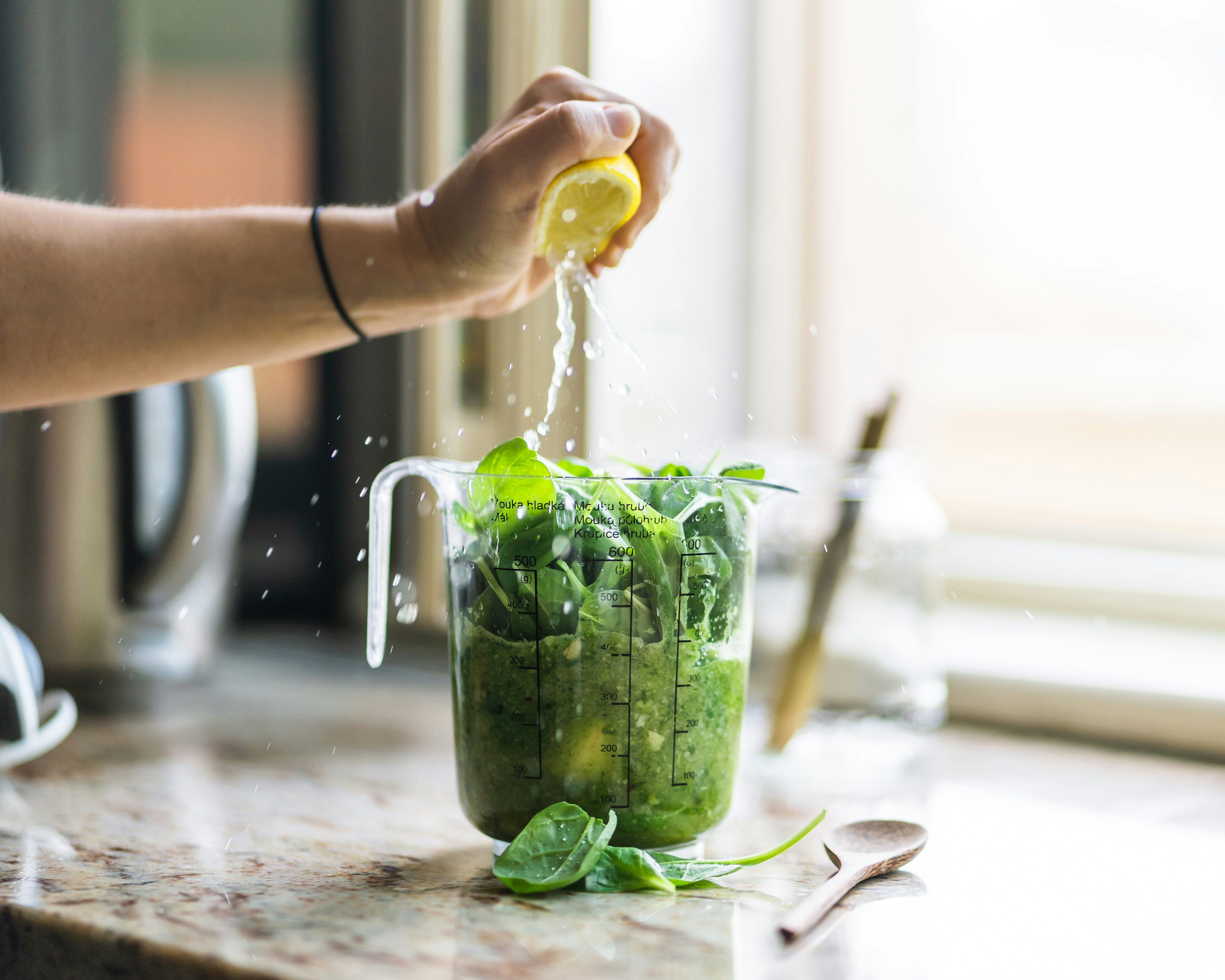
Keep it raw and simple. The simpler your meals, the easier they are to digest and the more your body can focus on healing. You don’t need elaborate recipes. A big salad with quality greens and a simple dressing made from seeds (not seed oil) is perfect.
Add gentle, gut-friendly foods. Well-cooked sweet potatoes (or raw if they’re good quality garnet or jewel yams—just peel and slice), papaya, ripe bananas, and avocados are easy on your system while feeding beneficial bacteria.
Add longevity foods. Pomegranates, black raspberries, chili peppers. These specifically nurture the four bacteria found in people who live past 110.
Scrape your tongue daily. Use a tongue scraper every morning to remove the coating that accumulates overnight. This is your body releasing waste through your mouth.
Consider eliminating the five allergens for two months if you’re dealing with chronic issues: dairy, wheat, oats, peanuts, refined sugar.
Skip a meal 2-3 times a week. The easiest? Breakfast. Extend your overnight fast until lunch. This gives your gut bacteria time to do repair work and allows your body to focus on eliminating rather than digesting.
Walk after dinner. Movement helps digestion and supports your microbiome. Get outside, get fresh air, keep your body in flow.
Sleep before midnight. Your gut repairs and regenerates during deep sleep. Those hours before midnight are golden—healing accelerates at twice the rate.
Drink pure water with Celtic sea salt for minerals that support hydration at the cellular level. Avoid sparkling water—you’re drinking carbon dioxide, which doesn’t support life.
Listen. Pay attention to how different foods make you feel, not just immediately, but hours later. Your body gets more sensitive as it gets cleaner—this is a good thing. It means your antennae are sharpened.
The Bottom Line
There are 10 times more microorganisms in your body than your own cells. You’re not just feeding yourself; you’re feeding an entire ecosystem that, in turn, feeds you, protects you, and sustains you.
Bacteria in your gut directly impacts how long you live and how well you live.
But beyond the bacteria themselves, remember: your body needs flow. Open, clear pathways. Clean cells. Nothing held up. When you eat living foods with life force -fresh greens, sprouts, simple whole foods - you’re not just feeding bacteria. You’re supporting your body’s natural ability to magnetize waste, clear obstructions, and regenerate.
Your gut microbiome can start shifting within 24 hours of dietary changes. Within days, you’ll notice improvements. Within weeks, transformation. Within months, a completely different level of health.
Tend your inner garden well. Feed those 39 trillion baby birds in your gut with living foods. Keep your system flowing. Your whole body and your years will thank you.
What’s one thing you’ll commit to this week? Add fresh greens daily? Start tongue scraping? Skip breakfast twice? Try raw yams? Add pomegranate juice? Pick one action and start. Your body is ready to flow again.
Digging the tips, specifically...
Scrape your tongue daily.
Skip a meal 2-3 times a week.
Walk after dinner.
Practical steps that are achievable = awesome. Thx, Squeaky!