


In today’s performance driven culture, the ability to recover effectively has become as crucial as the work itself. Whether you're a C-suite executive making billion-dollar decisions, an athlete pushing physical boundaries, or a knowledge worker navigating cognitive demands, your capacity to rejuvenate determines your sustainable output.
As research advances and recovery tech becomes more accessible, the line between recovery and enhancement continues to blur. The goal isn't just avoiding burnout but discovering how strategic recovery can unlock your highest potential.

The Foundations – Daily Rituals to Prevent Burnout
The most resilient individuals aren't those who never experience stress but those who implement strategic recovery practices that allow them to bounce back quickly and maintain consistent energy.
Sleep Optimization
Sleep remains the non-negotiable cornerstone of recovery, yet it's often sacrificed first. The science is unequivocal:
Sleep architecture matters: Complete 90-minute sleep cycles (4-6 per night) allow for sufficient deep and REM sleep phases where primary recovery occurs.
Temperature regulation: Core body temperature drop of 1-3°F facilitates optimal sleep, with ambient temperatures of 65-68°F generally ideal.
Light management: Blue light blocking 2-3 hours before bed increases melatonin production by 50-60%, improving sleep quality and reducing sleep latency.
Actionable protocol: Establish a consistent sleep schedule with 7-9 hours in bed. Create a bedroom environment that's completely dark, cool (65-68°F), and quiet. Use devices with blue light filters after sunset, or better yet, avoid screens entirely in the hour before sleep.
Movement to Enhance Neuroplasticity
Exercise doesn't have to mean punishing yourself at 5am:
Active recovery: Low-intensity movement helps clear inflammatory markers without adding more stress to your already stressed-out body.
Mobility work: Your body wasn't designed to sit at a desk for 10 hours. Targeted mobility exercises keep you from feeling 80 years old at 30.
Nature isn't just for the aesthetic: Being outside literally reduces your cortisol by 15-20% and improves heart rate variability—actual markers of recovery.
What to actually do: Schedule 20-30 minutes of zone 2 cardiovascular activity early in the day to establish circadian rhythm and prime cognitive function. Spend 10 minutes on mobility work focusing on hips, shoulders, and spine. Break up periods of focused work with 5-minute movement snacks.
Mental Recovery
Your psychological recovery is just as important as physical:
Breathwork isn't just wellness woo: Specific breathing patterns (like 4-7-8) activate your parasympathetic nervous system within minutes.
Mindfulness without the cringe: Regular meditation literally changes your brain structure—increasing prefrontal cortex thickness and reducing amygdala reactivity.
Digital boundaries: That 9pm ping is literally raising your cortisol and killing your recovery.
What to actually do: Practice 5 minutes of nasal breathing at 6 breaths per minute, twice daily. Do a 10-minute mindfulness practice each morning (apps like Headspace or Calm make this less intimidating). Create tech-free zones and times—especially during meals and before bed.
Advanced Technologies for Becoming Your Best Self
While daily habits form the foundation, specialized treatments can potentially accelerate recovery for those seeking optimization. These interventions are typically available at specialized recovery clinics, wellness centers, or via personal equipment for dedicated enthusiasts.
Heat Therapy
Regular sauna use (170-200°F for 20-30 minutes, 4-7 times weekly) shows remarkable benefits, including 40% reduction in all-cause mortality in longitudinal studies.
Better cardio without cardio: Heat acclimation increases your plasma volume by 10-18%, supporting athletic performance.
Cellular protection: Sauna sessions activate heat shock proteins that repair damaged proteins and protect your cells.
How to actually do it: Start with 10-15 minutes at 170-180°F, building to 20-30 minutes at 180-200°F. Combine with cold exposure for extra benefits.
Cold Plunges
Cold therapy has moved beyond ice baths for athletes:
Fat activation: Temperatures between 50-59°F activate brown fat, potentially improving your metabolic health.
Inflammation control: Regular cold exposure reduces pro-inflammatory cytokines while boosting anti-inflammatory pathways.
Mood boost: Cold exposure increases norepinephrine by 200-300%, potentially helping with depression and anxiety symptoms.
How to actually do it: Try cold plunges at 50-55°F for 1-3 minutes, or cryotherapy chambers at -166 to -220°F for 1.5-3 minutes. Start shorter and work your way up—this isn't a competition.
Floatation Therapy (Not As Weird As It Sounds)
Sensory deprivation therapy aka floatation tanks create a unique neural reset unavailable through any other modality:
True weightlessness: Floating in supersaturated Epsom salt water creates a zero-gravity environment where your body can't tell where it ends and the water begins.
Your brain on vacation: Research shows significant drops in cortisol and shuts down your amygdala's fight-or-flight response, creating a chill state you can't get any other way.
Recovery application: Athletes like Stephen Curry and public figures like Joe Rogan use flotation for post-workout recovery and muscle soreness reduction, crediting it as essential for maintaining peak cognitive performance under pressure.
How to actually do it: Sessions typically last 60-90 minutes. For best results, go twice weekly for 2-3 weeks, then once every 1-4 weeks for maintenance.

Bodywork Beyond Basic Massage
Specialized bodywork can make a huge difference:
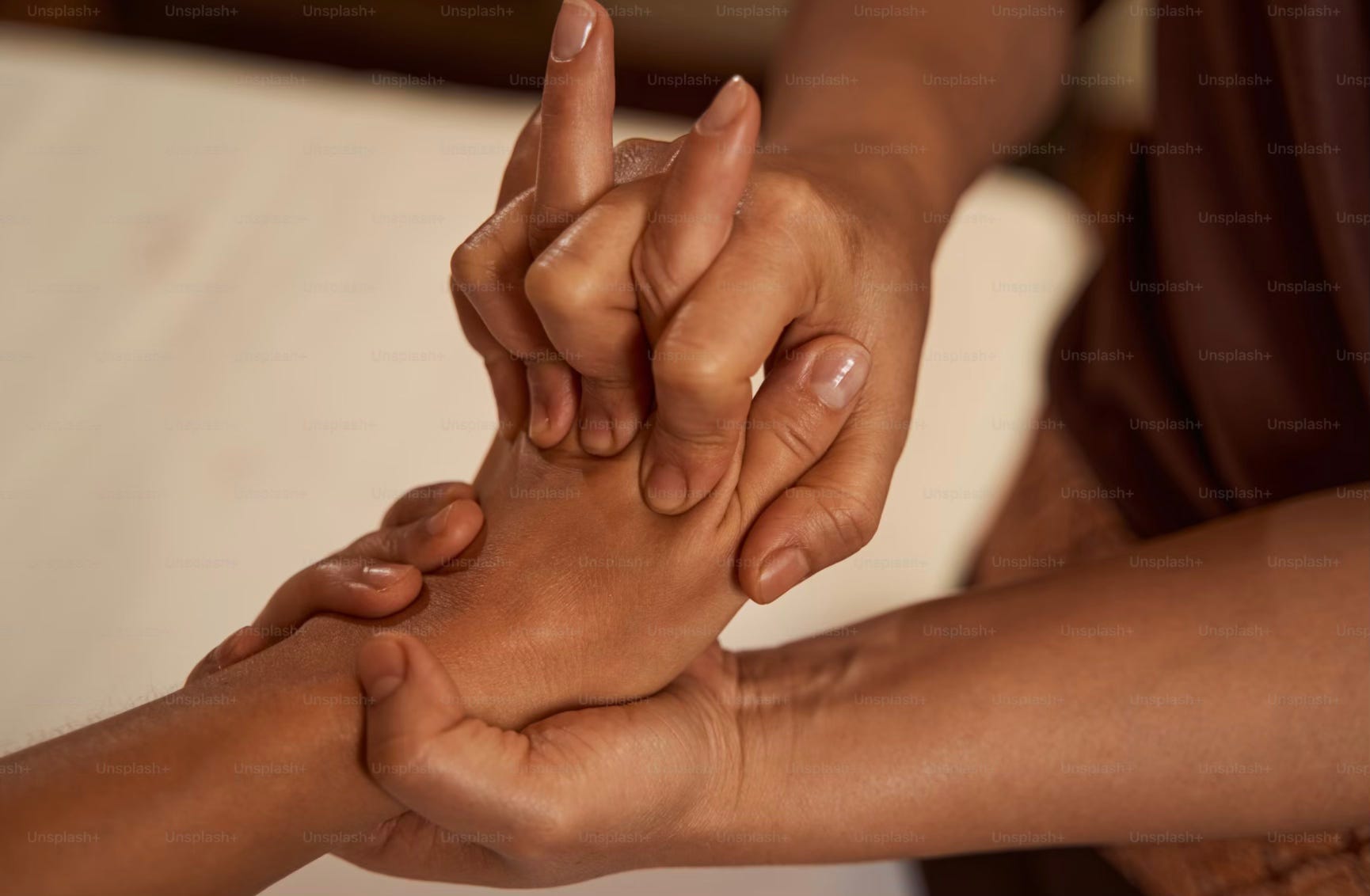
Trigger point intervention: Acupuncture targets specific neuromuscular junctions that become hyperactive during chronic stress, releasing this stored tension
Fascial work: When you're stressed for long periods, your connective tissues (fascia) literally get stuck in tense patterns. Targeted fascial manipulation restores optimal tissue relationships, potentially improving movement efficiency by 15-20%.
Recovery-specific massage: Protocols focusing on activating your parasympathetic nervous system rather than just random kneading.
Advanced bodywork creates a physiological reset of stress patterns held in tissues. Look for clinics or practitioners offering "Integrated Acupuncture and PT" or techniques like Tui Na (a vigorous Chinese therapeutic massage), deep tissue work, or myofascial release. Book these during busy work periods or before major projects—don't wait until you're already feeling burned out.
Metabolic Waste Clearance Through Lymphatic Drainage
Specialized lymphatic drainage techniques offer unique benefits for burnout recovery:
Stress metabolite removal: Chronic stress produces inflammatory byproducts that accumulate in tissues; lymphatic drainage accelerates their removal by 20/30%
Cognitive clarity enhancement: Many report significant mental fog lifting after lymphatic sessions as inflammatory markers that affect brain function are cleared
Parasympathetic activation: The gentle, rhythmic pressure used in lymphatic techniques directly stimulates the parasympathetic nervous system
What to look for: Seek therapists specifically trained in Lymphatic Drainage - they differ significantly from regular massage, using precise, gentle rhythmic movements that follow lymphatic pathways.
Red Light Therapy for Cellular Energy
Red light therapy (RLT) is a game-changer in the recovery toolkit. By stimulating mitochondrial function, RLT enhances ATP production, giving your cells the energy they need to repair and perform optimally. A 5-10 minute morning session can reduce inflammation, improve circulation, and promote cognitive clarity—helping you start the day with vitality.
How to access Red Light Therapy: Either invest in affordable, portable red light panels or many high-end gyms, biohacking centers, and wellness clinics offer RLT sessions that can be booked as part of recovery treatments.
Nutrient Rebalancing Through IV Therapy
IV therapy helps fix the vitamin and mineral deficiencies by delivering active ingredients directly into your bloodstream, bypassing your digestive system. Specific formulations include:
For brain fog and mental clarity: Ask for a "NAD+ Drip" or "Brain Function Formula" – these typically contain NAD+ a vital coenzyme found in every cell of your body, playing a key role in energy production, cellular repair, and overall metabolic health, B-complex vitamins (especially B12), and amino acids like tyrosine and taurine that support neurotransmitter production.
For physical exhaustion and adrenal fatigue: Look for an "Adrenal Recovery Drip" or "Stress Recovery Formula" – these usually contain higher doses of vitamin C (2,000-5,000mg), B5 (pantothenic acid), B6, magnesium, and sometimes adaptogenic compounds that support adrenal function.
For overall energy restoration: Request a "Myers' Cocktail" or "Mitochondrial Support Drip" – the classic Myers' Cocktail includes B vitamins, vitamin C, calcium, and magnesium, while enhanced versions may add glutathione (a powerful antioxidant), CoQ10, or carnitine for additional mitochondrial support.
For immune system support during burnout: Consider an "Immune Boost IV" with higher doses of vitamin C, zinc, selenium, and glutathione – helpful when stress has compromised your immune function.
How to Build a Resilient Routine
To transform these strategies from interesting concepts into life-changing practices requires a personalized system tailored to your unique stressors, physiology, and life circumstances. The goal isn't perfection but strategic implementation of the right protocols at the right time.
Begin with understanding your current status:
Recovery biomarkers: HRV, sleep quality metrics, inflammatory markers, and stress hormones provide objective data points.
Functional assessment: Movement quality, energy patterns, subjective recovery ratings, and cognitive performance indicators.
Recovery debt: Recognizing areas where recovery deficits have accumulated creates prioritization hierarchy.
Your Personal Anti-Burnout Blueprint
Building your own burnout prevention system:
Start with honest self-assessment: Rather than complex testing, ask yourself: Where do you feel most depleted? When during the day do you lose energy? What or who consistently drains you vs. energize you?
Create your exercise snack menu: Develop a list of 5-10 minute movement options you can realistically incorporate throughout your day: a quick walk, stretching sequence, breathwork practice, or bodyweight exercise circuit.
Design your recovery rituals: Identify 2-3 recovery practices you genuinely enjoy and can consistently implement. Consistency trumps intensity—a daily 10-minute recovery ritual is more effective than an occasional 2-hour spa treatment.
Build environmental triggers: Place visual reminders for recovery in your workspace. Schedule specific transition moments in your day that signal shifting from performance to recovery mode.
Apply the minimum effective dose: Start with the smallest intervention that produces a noticeable effect. This creates sustainable momentum and prevents the "all or nothing" approach that often leads to abandoning wellness practices under stress.
In today's toxic world, preventing burnout is fundamentally about cellular purification and energetic liberation.
Energy flows where obstruction does not exist.
The most powerful detoxification tools are often the simplest: proper food combining, deep breathing, adequate hydration, movement in fresh air, and emotional release.
Wellness As Practice, Not Pursuit
Process over metrics: While data can be useful, establish consistent wellness routines rather than obsessing over perfect health metrics
Plant-centered nutrition: Prioritize plants as the foundation of your diet, focusing on adding nutrient-dense foods rather than restriction, creating sustainable eating patterns that support energy and recovery
Strategic stress: View certain stressors as training opportunities that build resilience when balanced with adequate recovery periods
The future of sustainable performance isn't about pushing through resistance but clearing the path for your natural vitality to emerge. By combining gentle daily detoxification practices with periodic deeper cleansing when needed, you develop not just burnout resistance but a state of vibrant aliveness characterized by clear thinking, emotional buoyancy, and physical lightness.