


The human digestive system is a complex network where food breakdown occurs across multiple stages and locations. Understanding this process reveals why certain food combinations support or impair digestion.
The science of food combining recognizes that optimal digestion depends on both timing and chemistry - like the rhythms of nature itself. Different food groups require specific digestive environments and enzyme types for proper nutrient absorption. For example proteins need acidic conditions created by specific enzymes, while carbohydrates digest efficiently only in an alkaline environment. This fundamental biochemical principle forms the foundation of food combining theory.
When foods are combined properly, digestion improves and overall health benefits follow.
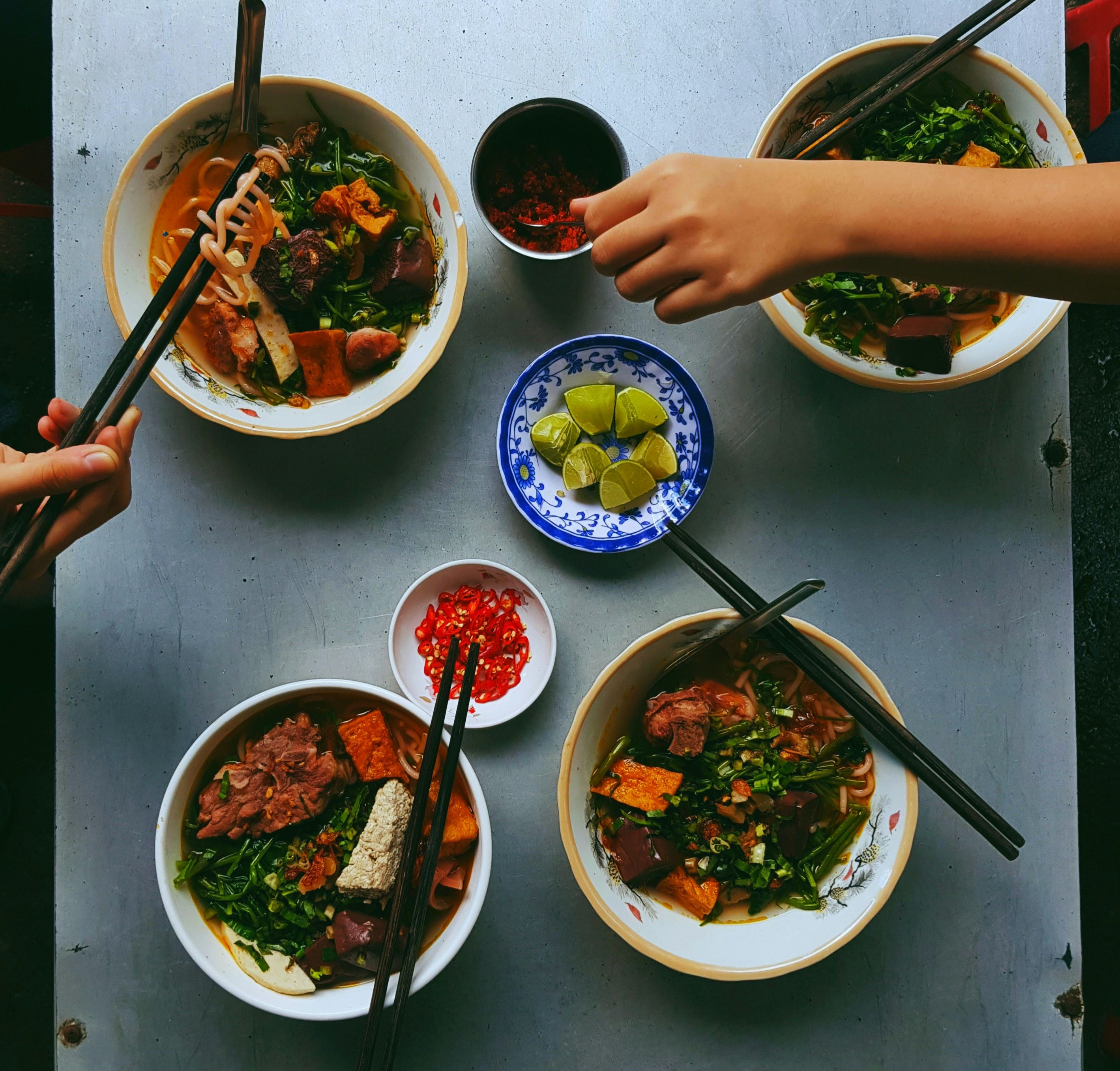
Why Food Combining Matters
The core principle of food combining centers on the opposing digestive environments required for proteins and starches. Proteins need an acidic environment for digestion in the stomach, while starches require an alkaline medium (starting with enzymatic breakdown in the mouth). When eaten together, these opposing requirements can neutralize each other, leading to poor digestion and undigested food moving through the system. This is why traditional food combining principles advise against mixing proteins (e.g. meat) with starches (e.g. bread or potatoes) in the same meal.
Digestion involves both mechanical processes (chewing and churning) and chemical breakdown through specific enzymes. While fruits pass through your digestive system very quickly, starches require three levels of breakdown. Chewing starches thoroughly is crucial because their digestion actually begins in the mouth, unlike proteins or fats.
There's only one food that chemically breaks down in the stomach and that's protein.
“Proteins require pepsin, a very highly acidic [enzyme] in conjunction with hydrochloric acid. But the hydrochloric acid doesn't have the ability to break the food down. It just sets the medium for the concentration of the amount of pepsin that's poured into the stomach to digest whatever food that's in there. The intelligence of this human body is phenomenal."1 Dr. Pickering explains.
The digestive system has evolved over millions of years to process various foods and protect us from harmful substances. Now, this isn’t a post dedicated entirely to gut health but it’s important to call out how our body responds to different challenges. For example, the gut barrier is selectively permeable by design - it knows exactly what to let in (nutrients) and what to keep out (pathogens, toxins). When foods are improperly combined, undigested food sits in the digestive track aka "toxic debris" which overtime may compromise our gut’s integrity and lead to various systemic issues beyond just digestive discomfort. Think of each improperly combined meal as a small strain on your gut's protective barrier. Risks are evident:
Malabsorption of nutrients
Bacterial or candida overgrowth in the gut
Acid reflux and heartburn
Leaky gut (when this debris enters the bloodstream)
Overburdened liver and pancreas
Years of toxic build up can cause deep cellular impact and a significant disruption in the “flow”. The flow being the body’s electrical current that flows from head to toe. Heavy food combinations will disrupt this current leading to fatigue, brain fog, and emotional imbalances.
When your body is forced to expend excessive digestive energy, your cells will have less energy for other bodily functions and repair.

Sequence of Eating
While all food eventually mixes in the stomach, following an "Ideal order of eating" can enhance digestion. The key principle is simplicity - meals with fewer food groups generally result in better digestion and increased vitality.
Raw Foods = Your Digestive MVP - Think of raw foods as your pre-game warmup. They're packed with live enzymes that get your digestion going (unlike cooked foods, which lost their enzymes in the heating process). Pro-tip: Starting with a salad or raw veggies actually helps you eat less of the heavy stuff later. Win-win.
Juicy Before Dry - During digestion, food must combine with the body's liquid reserves through hydrolysis. Juicy foods provide their own liquid content, facilitating the initial processing of the food mixture. Simply drinking water with dry foods is not an effective alternative and can interfere with digestion.
Easy-to-Digest Before Complex Foods - Digestion begins while eating, with the liquid portion of food (chyme) leaving the stomach at intervals. Consuming easier-to-digest foods first allows them to process and exit the stomach efficiently, while eating concentrated foods (proteins and starches) last naturally helps moderate their intake.
Meal Timing and Portions - Evening is optimal for cooked foods when the body can rest for digestion. Always eat until satisfied rather than stuffed, and begin main meals with raw vegetables or salads to help moderate portions of concentrated foods.
Proper chewing remains important:
Chew each food separately and thoroughly
Don't use moist foods (tomatoes, lettuce) to help swallow drier foods
Allow salivary glands to provide appropriate moisture for concentrated foods
When eating multiple sweet fruits, consider starting with less sweet varieties for optimal taste experience
Food Combining 101 for Radiant Health
1. Starch + Acid = Internal Conflict
Your body thrives when you keep these separate. Avoid:
Dense starches with acid fruits such as oranges, pineapples, tomatoes, lemons
White or sweet potatoes with tomatoes (disrupts digestion)
Grains with citrus (each needs its own space)
2. Protein + Starch = Hard Pass
Proteins and starches are already dense foods and require different digestive environments. Never mix:
Animal proteins with any potato dishes
Traditional sandwiches (bread and meat create stagnation)
Heavy proteins (nuts, legumes) with grain-based meals
Dense starches with concentrated proteins (they neutralize each other)
This means that when we eat dense animal proteins with concentrated starches like potatoes or grains, we're creating a significant obstacle for our body's natural intelligence. Not only do these heavier foods already require substantial energy to process individually, but their conflicting digestive requirements create a form of chaos in our internal environment.
3. Protein + Protein = Not Today
Your body processes one protein at a time effectively. Keep these separate:
Nuts away from dairy (they compete for enzymes)
Avocados solo or with greens (maintain their pure essence)
Legumes as your primary protein
Eggs in isolation (they're complete alone)
One animal protein per meal (simplicity powers digestion)
4. The Fat Situation
Fats can suppress your digestive power. Mindfully separate:
Pure fats from dense animal proteins
Oils from egg dishes
Avocados from nut-based meals
Multiple concentrated fats (they overwhelm digestion)
5. Sweet Wisdom
Natural sugars e.g. fruits need their own space to move through your system:
Keep fruits away from proteins (prevents fermentation)
Separate from all starches (maintains blood sugar balance)
Distinct from acid fruits (supports optimal absorption)
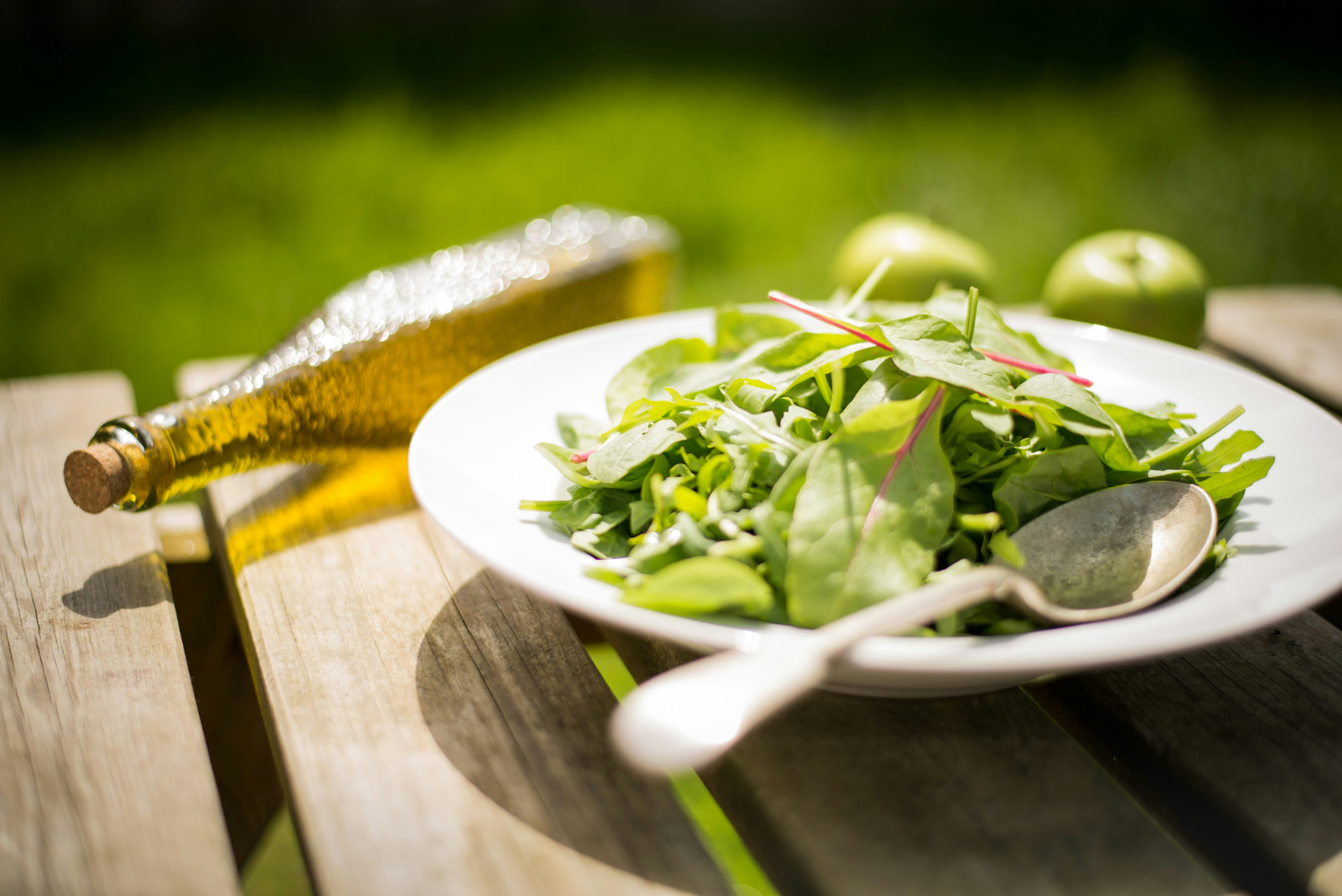
What Actually Works
Green = Queen
Vibrant greens support your digestion:
Salads complement both proteins and starches
Raw carrots complement starchy meals
Tomatoes align with non-starchy vegetables
Dark leafy greens enhance any meal's digestion
Good Combinations
When eating starch or protein foods, pair only with green or non-starchy vegetables and keep proteins or starches content to small percentage, say 10 or 15%.
Starch with non-starch e.g Sweet potatoes with green beans
Good fat with non-starch e.g. Avocado in leafy green salads (no eggs/dairy)
High protein with non-starch e.g Salmon with sautéed dark greens
Timing is Everything
Wait 30 mins between citrus + nuts
Greens between heavy foods = smart
Keep acids away from proteins = key
Best Life Practices
Raw greens first = digestive goals
Leave fruit alone = honor their quick exit
Keep it simple = less bloat
Listen to your body = it knows
Smart combos = more energy
Real talk: When following a primarily raw, alkaline diet, many wonder about incorporating small indulgences like dark chocolate or raw desserts. My answer is when your day is built on a foundation of properly combined alkaline vegetables and fresh juices, your body is well-equipped to handle these “safe poisons”.
Plot twist: Despite their health halo, nuts and seeds are actually quite dense and energetically stagnant in the body. Unlike living foods, they tend to sit heavily in our system, especially when overeaten or poorly combined. Lighter, raw proteins like goat cheese and fish can actually be easier on your digestion than going ham on almonds and chia seeds (wild, right?)
Bonus tip: Nuts/seeds in a smoothie is fine because it’s already pre digested in the mixer. Net net, they’re for occasional consumption not a daily staple.
Remember, the path to wellness isn't absolute restriction, but rather making conscious choices, knowing you're still moving forward on your path to radiant health.
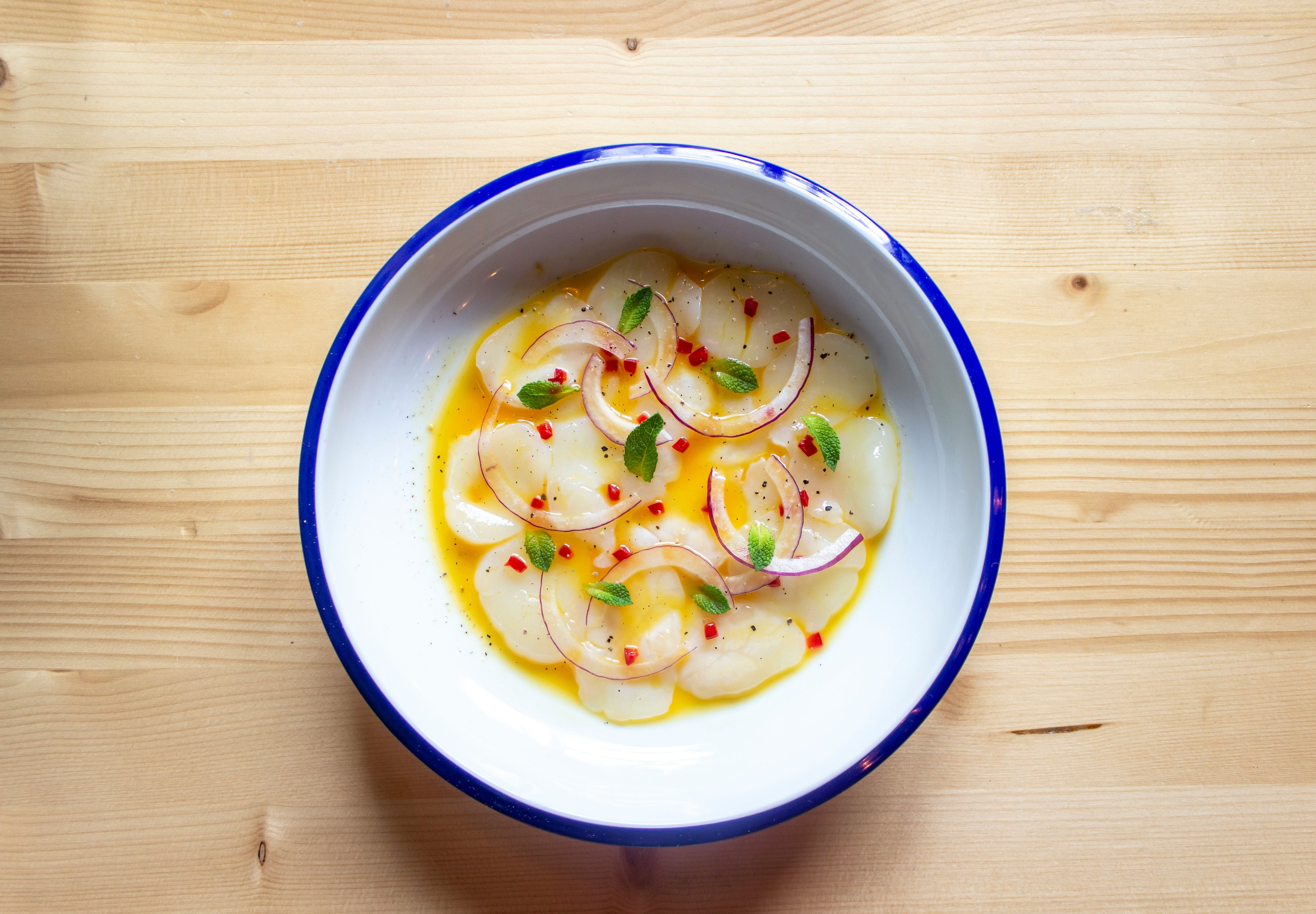
Couple Goals
Tomatoes + Olive Oil: Olive oil increases lycopene absorption and antioxidant activity. Cooking tomatoes further enhances their lycopene bioavailability.
Wild-Caught Salmon + Collard Greens: Salmon's vitamin D helps absorb calcium from collard greens. Wild-caught salmon specifically contains higher vitamin D levels than farm-raised.
Broccoli + Tomatoes: Together they show enhanced anti-cancer properties, particularly for prostate cancer, performing better combined than individually.
Turmeric + Black Pepper: Black pepper makes turmeric work 1000x better. This is why golden lattes aren't just trendy - they're smart.
Brussels Sprouts + Olive Oil: The healthy fats help absorb Brussels sprouts' fat-soluble vitamin K and enhance the benefits of cancer-fighting compounds.
Garlic + Wild-Caught Salmon: Together they show enhanced cholesterol-lowering effects, while providing individual benefits for bone and thyroid health.
Black Beans + Red Bell Pepper: Vitamin C from peppers increases iron absorption from black beans by up to six times, while both provide additional nutrients and antioxidants.
The Missing Link in Modern Nutrition
Food combining brings order to chaos, easing the digestive process and keeping you feeling your best. If you slept through this whole post, just follow these rules:
Fruit should be eaten alone and only on empty stomach
Green vegetables can combine with everything except fruit
Starches should never combine with animal protein
Animal proteins should be eaten with non-starchy vegetables only
All meals should be at least 70% raw vegetables
Proper sequential eating and mindful food pairing allows your body to efficiently break down each category of nourishment, supporting optimal enzymatic activity. When we honor these natural digestive principles, our life force energy is preserved rather than being depleted through improper combinations that create internal congestion and fermentation. This allows for maximum vitalization and cellular cleansing!
https://www.wayne-pickering.com/healthproducts/foodcombiningguide.html