


Food literally becomes the building blocks of our cells - “you are what you eat” - our blood oxygenated by chlorophyll, our joints cushioned by collagen, our energy ignited by B vitamins, our digestion smoothed by fiber, and our immune system fortified by zinc.
Your body responds to every bite - either flourishing or faltering - and, fruits stand as nature's master healers carrying powerful cellular defenders: antioxidants. These vibrant compounds flow through our bloodstream, protecting our DNA, strengthening our cell membranes, and providing the undeniable glow of vitality. When we consume fruits properly, their antioxidants work like an internal shield, defending against cellular damage while promoting repair and renewal.
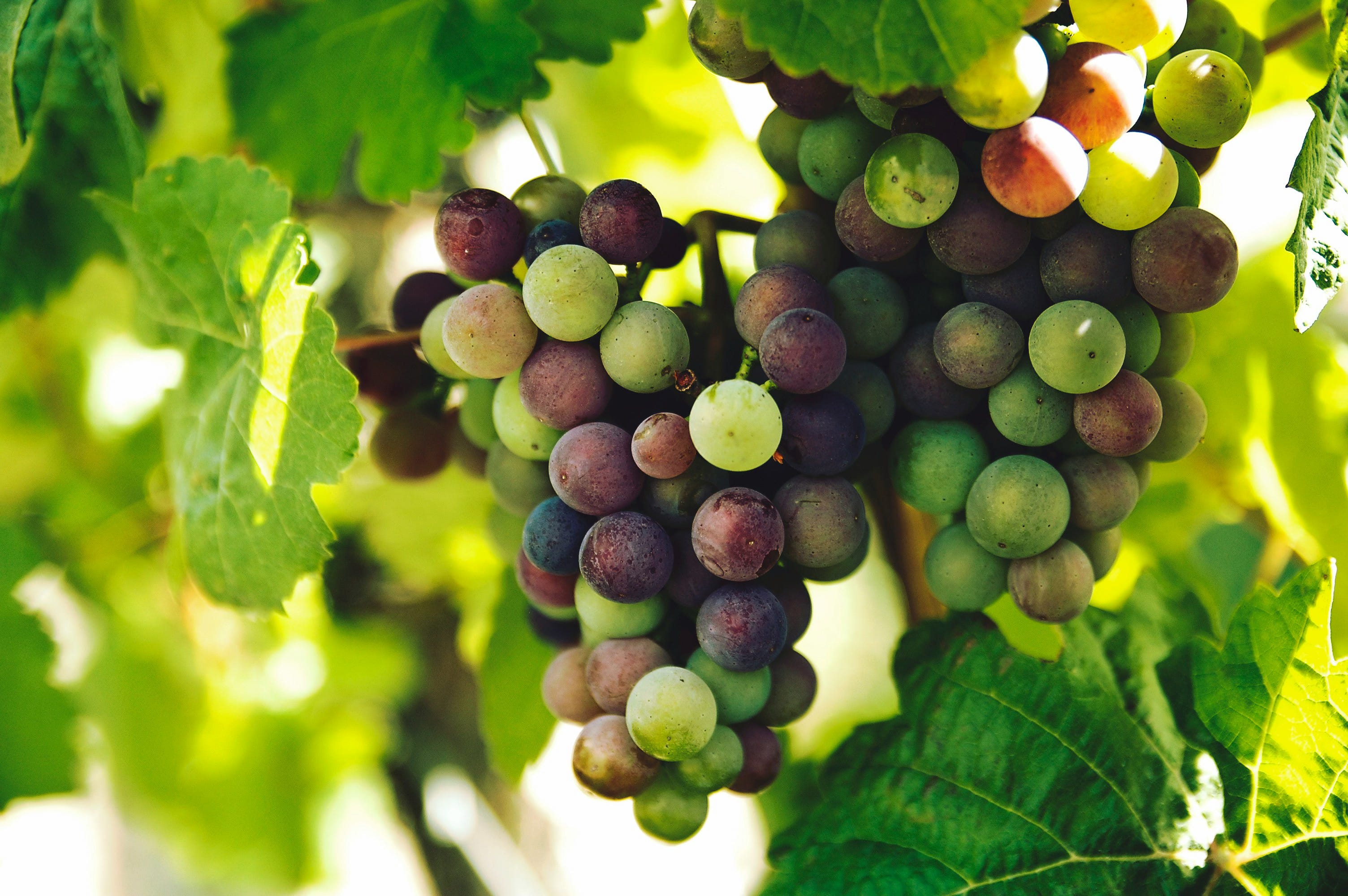
How Fruit Antioxidants Work
When we bite into a juicy piece of fruit, we're consuming nature's most sophisticated defense system. Fruits contain multiple types of antioxidants that work together to protect our cells through four key mechanisms:
1. Free Radical Defense System
Think of free radicals as unstable molecules missing electrons, like incomplete puzzle pieces desperately seeking their missing parts. Fruit antioxidants act as electron donors, neutralizing these unstable molecules before they can damage our cells[1]. Unlike other molecules that become unstable after donating electrons, antioxidants maintain their stability, preventing a chain reaction of cellular damage[2].
2. Dual-Protection Design
Fruits provide two types of antioxidants, each protecting different parts of our cells[3]:
Water-soluble antioxidants (like vitamin C) protect the watery parts inside and between cells
Fat-soluble antioxidants (like vitamin A and carotenoids) guard the fatty cell membranes
This dual-protection system ensures complete cellular defense, as studies have shown both types are necessary for comprehensive cellular protection[4].
3. Color-Coded Benefits
Nature has conveniently color-coded fruits to signal their antioxidant content[5]:
Deep purple and blue fruits (blueberries, blackberries) are rich in anthocyanins
Orange fruits (mangoes, cantaloupe) contain high levels of carotenoids
Red fruits (strawberries, cherries) often contain both anthocyanins and vitamin C
Yellow fruits (lemons, pineapples) typically offer abundant vitamin C
4. Beyond Protection: Repair and Enhancement
Research has shown fruit antioxidants don't just defend—they actively support our health by[6]:
Repairing damaged molecules, particularly DNA
Blocking harmful metal radical production
Supporting our body's natural antioxidant production
Creating a protective shield around DNA
The Art of Proper Fruit Consumption
To maximize these benefits, timing and combination matter significantly. Here's why and how to eat fruit for optimal digestion:
The "Eat Alone" Principle
Studies on digestive physiology have shown that fruits digest differently than other foods[7]. When eaten alone, they:
Pass through the stomach quickly (usually within 20-30 minutes)
Maintain their enzymatic integrity
Release their nutrients more efficiently
Prevent fermentation that can occur when mixed with slower-digesting foods
Optimal Timing Guidelines
Research on food combining and digestion suggests[8][9]:
Best time: On an empty stomach, especially in the morning
Wait time: 15-30 minutes before eating other foods
Between meals: Wait at least 2-3 hours after a meal before eating fruit
Exception: Avocados and tomatoes (technically fruits) can be combined with other foods due to their different digestive requirements
Key Fruit Combining Principles
Melons thrive alone. Due to their high water content and rapid digestion rate, enjoy watermelon, cantaloupe, and honeydew either solo or paired only with other melons.
Starchy fruits (green bananas, plantains) and protein-rich fruits (guava, kiwi, avocado) require different digestive environments. Keep them separate for optimal digestion.
Acidic fruits (grapefruit, strawberries, pomegranates) clash with sweet fruits (bananas, raisins). Enjoy them at different times to avoid digestive discomfort
Strategic Consumption Tips
Start your day with fruit for maximum nutrient absorption[10]
Choose fruits in season for highest antioxidant content[11] (local over organic)
Eat fruits fresh and ripe when possible
Consume a variety of colors to get different antioxidant benefits[12]
References
[1] Harman D. (1956). "Aging: A Theory Based on Free Radical and Radiation Chemistry." Journal of Gerontology, 11(3), 298-300.
[2] Passwater, R. A. "The Antioxidants: The nutrients that guard your body."
[3] Halliwell B, Gutteridge JM. (2015). "Free Radicals in Biology and Medicine." Oxford University Press.
[4] Packer L, et al. (1979). "Antioxidant and redox regulation of gene transcription." FASEB Journal.
[5] Prior RL, Cao G. (2000). "Antioxidant phytochemicals in fruits and vegetables: diet and health implications."
[6] Diplock AT, et al. (1998). "Functional food science and defence against reactive oxidative species."
[7] Holt S, et al. (1982). "Effect of gel fiber on gastric emptying and absorption of glucose and fluid."
[8] Jenkins DJ, et al. (1977). "Dietary fiber, fiber analogues, and glucose tolerance."
[9] Björck I, et al. (1994). "Food properties affecting the digestion and absorption of carbohydrates."
[10] Minich DM. (2019). "A Review of the Science of Colorful, Plant-Based Food and Practical Strategies for Eating the Rainbow."
[11] Kevers C, et al. (2007). "Evolution of antioxidant capacity during storage of selected fruits and vegetables."
[12] Liu RH. (2013). "Health-promoting components of fruits and vegetables in the diet."