


Here's something I've been thinking about lately: We often overcomplicate exercise while missing what actually matters - how our cells respond to different types of movement. Let me break this down in a way that actually makes sense and, more importantly, that you can use.

The Reality Check on Aging and Movement
I've noticed, like many of us hitting our 30s and 40s, that movement quality matters more than ever. Your cells keep receipts. That's not just a catchy phrase - it's literally what's happening at the mitochondrial level. Each of your cells contains thousands of mitochondria, and these tiny powerhouses are constantly adapting to how you move.
There's a profound truth about movement that extends far beyond the physical realm. When we engage in conscious exercise -the kind that makes you truly sweat- we're participating in an ancient ritual of purification and renewal.
Fundamental Flows of Life
There are three key things the body needs to be doing constantly:
Taking in oxygen
Pushing out poisons (primarily through the bowel, skin, liver, and lymph)
Pumping fresh Life Force Energy (aka Qi or Prana)
When any of these three functions slow down, we slow down. When they stop, we stop.
The Deep Release
Each drop of sweat carries with it more than just physical toxins. As we move with intention, we:
Release stagnant energy that dims our light
Clear space for fresh vitality to enter
Shed layers of accumulated tension
Return to our natural state of radiance
Why I'm Focusing on Different Types of Movement
Let's get specific about two types of movement that matter more than most people realize:
Concentric Movement (The Push)
Think about it this way - when you're pushing against gravity, your muscles are shortening. This isn't just about getting stronger; it's about:
Triggering new mitochondria production (yes, you can actually make more cellular powerhouses - read more about mitochondrial biogenesis )
Improving how your cells handle glucose
Supporting your hormone balance
Building functional strength that carries over to daily life
Eccentric Movement (The Lower)
This is the controlled lowering phase that most people rush through. Here's why that's a mistake:
It's actually better for building raw strength - achieved through cellular adaptation
Helps prevent injuries through something called the repeated bout effect
Improves how your muscles handle stress honoring your body’s natural rhythm of effort and ease
Supports long-term joint health while creating a beautiful transformation in muscle architecture
The Art of Getting Stronger
Here's what nobody tells you about resistance training:
It's not just about lifting - it's about listening
Your cells actually regenerate better when you nail the basics
Progress isn't linear, but wisdom is cumulative. Honor the body's wisdom through mindful progression
Recovery becomes your secret weapon
The Restoration Ritual
Speaking of recovery - true transformation requires sacred rest:
Your body needs clean fuel to rebuild
Timing your nutrition becomes crucial
Water isn't just water - it's cellular restoration
Sleep becomes your performance enhancer
Even as someone deeply committed to this practice, I understand the resistance that can arise. That hesitation before movement isn't just physical inertia - it's the accumulated weight of energy that needs clearing. This is precisely why movement becomes so crucial: it's our pathway back to clarity.
Real Talk About Implementation
Here's what actually works in practice:
Daily Basics:
Aim for 8,000-10,000 steps (yes, it matters)
Get outside for some of these steps (light exposure is crucial)
Mix up your movement patterns
Move in sunlight when you can
Don't overthink it - consistency beats perfection
Training Strategy:
Combine both types of movement
Focus on quality over quantity, progress gradually
Listen to your body's feedback - don’t learn by experience - it’s expensive
Recovery Matters More Than You Think:
Sleep becomes non-negotiable, embrace deep, restorative sleep
Nourish your body with pure, living foods
Hydration isn't just about water
Rest days are training days
What I've Learned About Supporting This Process
Replace what you’ve lost: water, carbon, oxygen. Here's what works for me:
Post movement - Hydrate like it’s your job. After moving your body with intention, replenish your cells with fresh, living water and vibrant juices - think cucumber, celery, and green apple for deep cellular hydration and mineral restoration. This isn't just about quenching thirst; it's about flooding your system with pure, life-giving nutrients when your cells are most receptive.
The best time to move your body? When you actually will. But if you want to optimize, that sweet spot is 2-3 hours after waking, when your cortisol naturally peaks and your body temperature is rising - that's when your cells are ready to do their best work.
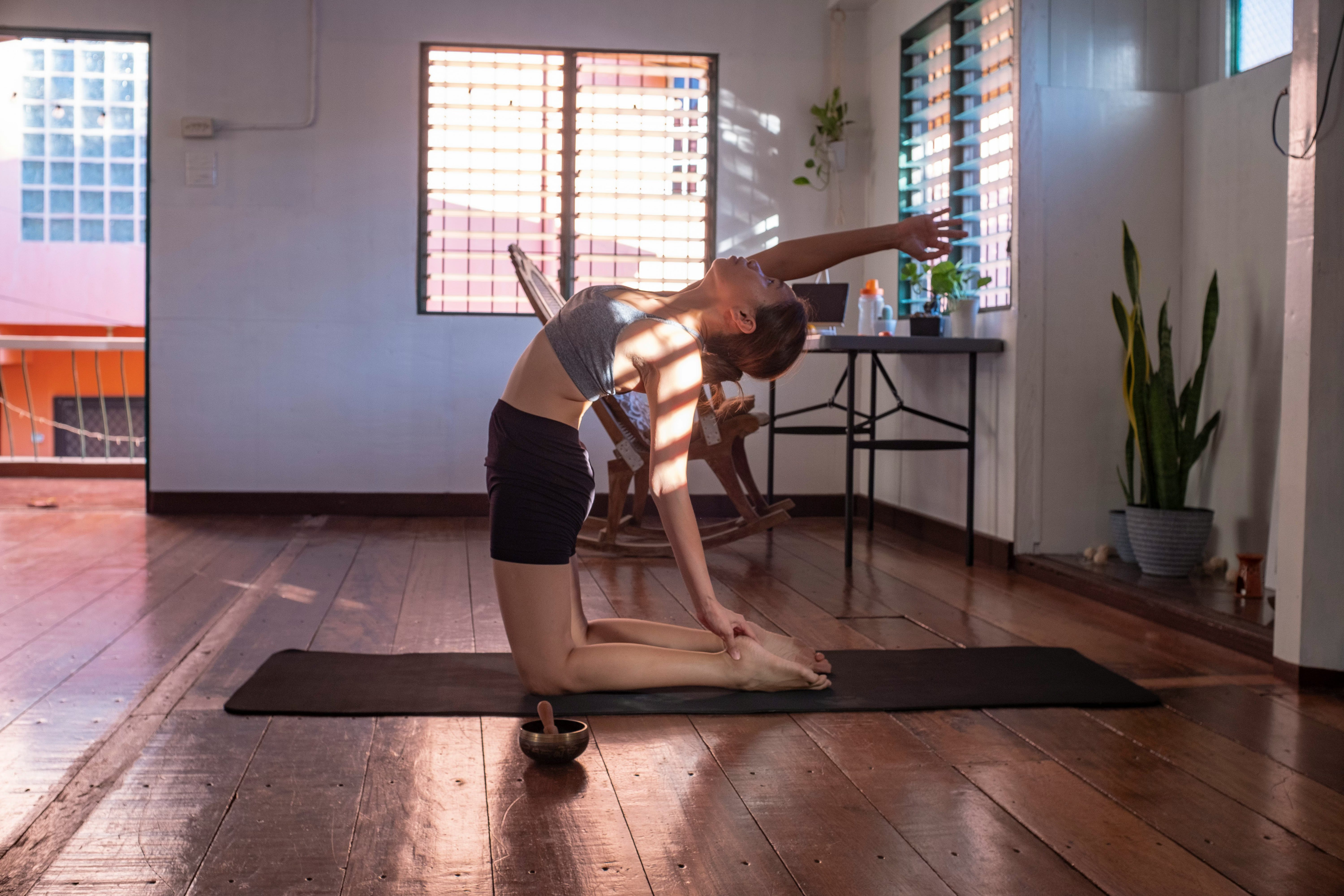
Deep breathing - Each deep inhale floods your cells with vital force, while each complete exhale releases stagnant energy that no longer serves. When you consciously slow your breath during yoga, you're literally switching from your fight-or-flight response to your rest-and-digest mode. This isn't just about relaxation; you're activating your vagus nerve, reducing inflammation, and optimizing your body's natural healing mechanisms.
Quick download
Movement Quality:
Form matters more than weight
Progress matters more than perfection
Consistency beats intensity
Listen to your body's signals
Recovery Reality:
Sleep is your best friend
Nutrition timing matters
Stress management is key
Rest is productive
Foundational Dietary Principles:
Minimizing harmful fats (e.g. seed oils - more to come)
Supporting mitochondrial function
Maintaining gut health
Rotating adaptogens (for cortisol support - more to come)
Each practice is an opportunity to return to your natural state of vitality and clarity. Start where you are, trust your intuition, and let each movement be a step toward your highest expression of health.