


As temperatures drop, our bodies naturally adjust how they use energy. Just like turning up the thermostat in your home, your body works harder to stay warm, burning up to 30% more calories. This is why many of us start craving warm, hearty foods instead of cool summer salads. It's not just comfort food cravings – it's your body's clever way of maintaining temperature and energy balance during the cold months.
If you are wondering is there a way to incorporate cooked foods and still be cleansing? Yes, cooked food could still be cleansing. By understanding how our bodies process different foods - from water-rich vegetables to warming spices, raw enzymes to mindful meal sequencing - we can support our natural detoxification processes even during the coldest months.
Don’t stop Juicing
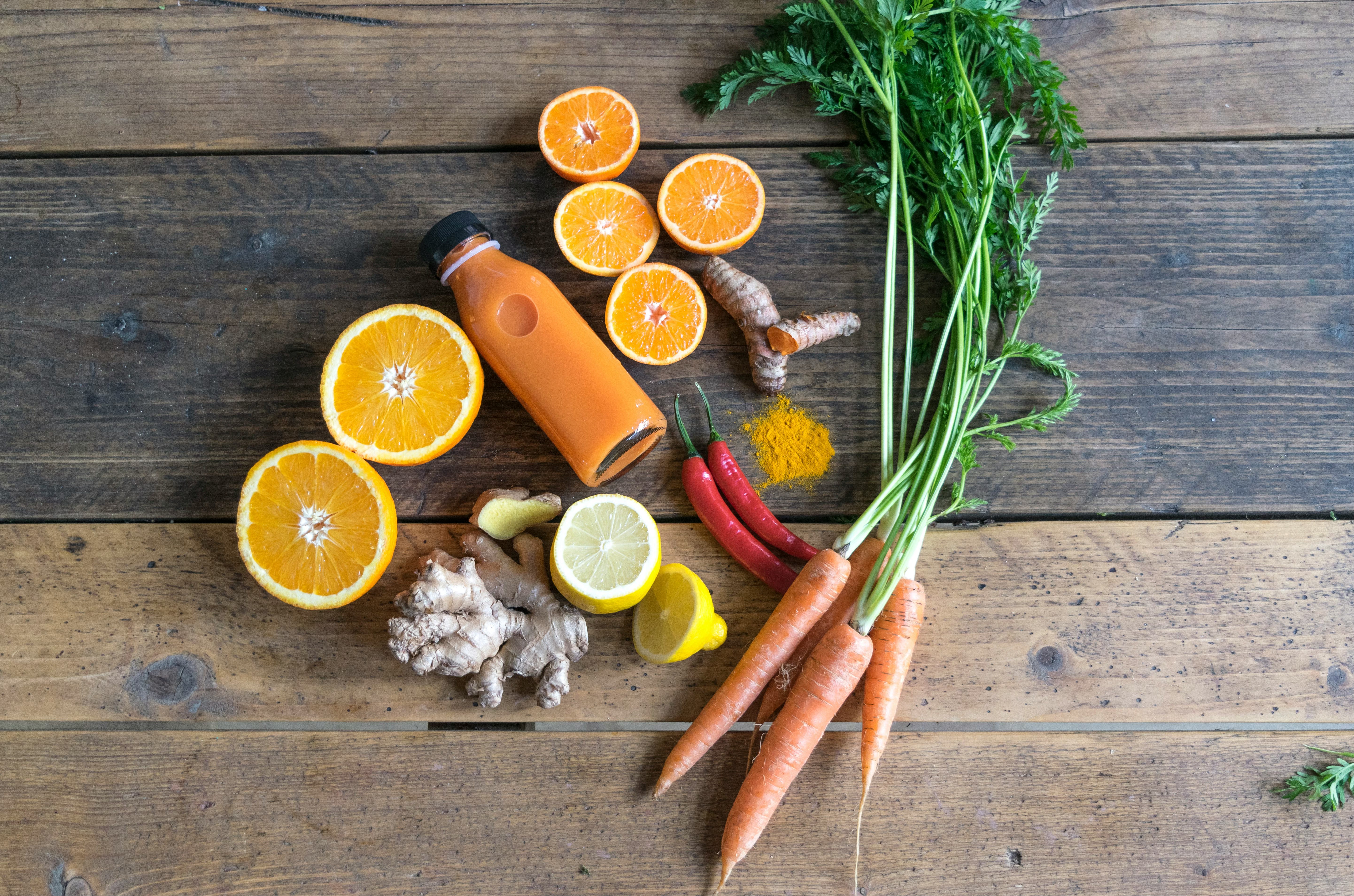
Think of fresh juice as your body's express delivery of nutrients - it's nature's fast track to vitality, especially during winter months. When you juice fruits and vegetables, you're extracting concentrated goodness that your body can absorb quickly and easily. For winter cleansing, consider:
Root vegetables (beets, carrots): Rich in liver-supporting betalains and carotenoids
Ginger/turmeric: Warming circulatory effects while reducing inflammation
Dark leafy greens: Chlorophyll for cellular detoxification
Citrus: Vitamin C for immune support during cold months
Water content
The higher the water content in the food the easier it is on your gut. Roasted peppers and squash are terrific in a salad, packed with flavour and satiate the body. High water content helps maintain optimal hydration for digestive processes while reducing strain on the body. Fresh, water-rich foods like cucumbers, lettuce, and grapes (containing 90-96% water) are more easily digested since they require less mechanical breakdown and enzymatic processing.
Raw foods
Great amounts of nutrients are lost during cooking. In addition to losing most water soluble vitamins and minerals, cooking process (typically above 118°F) deactivates naturally-occurring enzymes, including amylases, proteases, and lipases which play a crucial role in breaking down carbohydrates, proteins, and fats respectively. When a food’s enzymes are altered during the cooking process, more enzymes are required from your body to break them down and digest it. These are enzymes that are naturally found in your body responsible for providing energy, fighting disease and proper functioning of your cells. Instead of this important job, they are now called-in to break down and digest food, leaving you energy deprived throughout the day, reducing vitality. That is why eating raw foods that contain enzymes naturally before cooked food can help aid in that process.
Salads before complex foods
Think about steamed fish and broccoli. Enzymes required to break down this meal are not present in the dish itself because of heat application, and these ‘dead foods’ will place extra burden on your digestion and cause bloating and discomfort, it’ll also stress your pancreatic functions and immune system, leaving you feel sleepy or tired. Eating a large green salad first (with all the crunchy bits!) will act as little worker bees to help clear the path and make room for cooked/dense food.
Warming ingredients
Ever wonder why certain foods make you feel warm from the inside out? The science behind "warming" ingredients shows us how natural compounds in everyday foods can heat up our bodies and boost circulation. Some examples of bioactive compounds in warming foods:
Ginger: Contains gingerols and shogaols that increase thermogenesis and peripheral circulation
Chili peppers: Capsaicin activates TRPV1 receptors, increasing metabolic rate and body temperature
Mustard greens: Glucosinolates create a warming sensation and boost metabolism
Garlic: Allicin compounds improve blood circulation
Turmeric: Curcumin increases thermogenesis and blood flow
Traditional herbs such as thyme, rosemary, and sage complement these effects with their unique compounds like thymol, rosmarinic acid, and carnosic acid. When incorporated into winter salads through additions like shredded ginger, spicy microgreens, or chili-infused dressings, these ingredients create a warming effect while preserving the nutritional benefits of raw foods, effectively supporting both digestion and circulation during colder months.
Think of it as giving your body the perfect harmony: those vibrant, raw greens carry vital life force energy, while nourishing, cooked vegetables ground and warm your system. Adding a handful of fresh greens before diving into your favorite winter dishes isn't just good sense - it's a game-changer for your energy and digestion.
Question re: juicing. Does this unnecessarily introduce sugars? Genuinely ignorant here, but my old PT was pretty hardcore about avoiding the juice. Thoughts?