


Let’s talk about your body’s most underrated workforce: enzymes. Not the kind you panic-buy as supplement to de-bloat (though we’ll get there), but the tens of thousands of molecular machines quietly running every biochemical reaction in your body. They determine whether you’re spending your precious life force energy on digestion or on the cellular renewal that keeps you glowing and vital.
Aging at a cellular level is not just about collagen or mitochondria or whatever wellness influencers are obsessing over this week. It’s about enzyme capacity. Your body’s enzyme-producing ability isn’t infinite, it’s more like a finite energy reserve that you’re either preserving or depleting with every meal.
And before you click away thinking this is going to be a preachy “eat raw vegan or die” manifesto - it’s not - this is about understanding the molecular economics of how your body actually works, so you can make informed choices instead of following dogma or burning through your vital reserves without realizing it.
The Enzyme Bottleneck
Think of enzymes as specialized keys cut to fit specific biochemical locks. Your body produces tens of thousands of different enzymes because there are tens of thousands of reactions happening simultaneously. Your body divides enzyme deployment into two main categories:
Digestive Enzymes (extracellular—working outside your cells to break down food):
Protease for proteins
Amylase for carbohydrates and starches
Lipase for fats
Lactase for dairy sugars
Sucrase for sucrose
Metabolic Enzymes (intracellular—working inside your cells for regeneration):
Energy production
Detoxification and waste removal
Cellular repair and reproduction
Antioxidant functions (superoxide dismutase, glutathione peroxidase, catalase)
The deep cellular housekeeping that keeps you radiant
The molecular economics are simple: every unit of enzyme capacity you spend wrestling with heavy, cooked, enzyme-depleted food is capacity you’re not spending on cellular repair, detox, and the metabolic processes that prevent aging and build vitality.
This is why enzyme deficiencies are increasingly linked to accelerated aging.
Your enzyme production capacity is finite.
Your body is in permanent enzyme debt, with nothing left over for regeneration.
The Raw Food Advantage
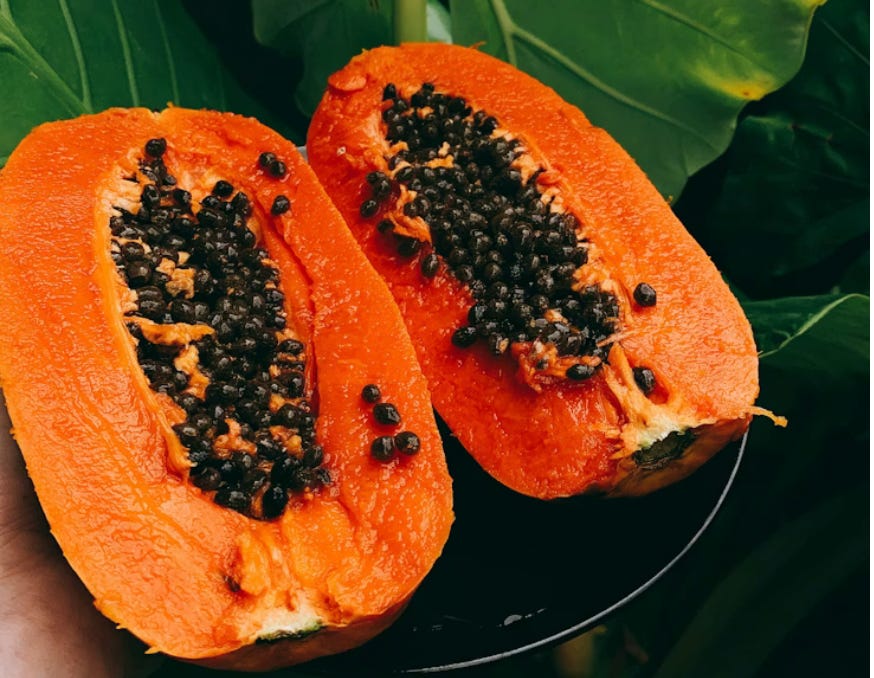
Raw, unprocessed foods contain their own food-based enzymes. When you eat fresh papaya, you’re getting papain. Pineapple delivers bromelain. Raw vegetables, fruits, and fermented foods come with their own enzymatic workforce that helps break themselves down during digestion. These foods essentially digest themselves.
The practical implication: When food shows up with its own digestive enzymes, your body doesn’t have to draw from its precious enzyme reserves to handle digestion. That preserved enzyme capacity can be redirected toward metabolic functions—purging toxic waste from your tissues, regenerating your organs, creating lustrous skin and bright eyes, slowing the aging process.
Cooked, processed, enzyme-dead foods? They demand massive enzyme expenditure just to move through your system. They sit, they putrefy, they create toxic sludge in your intestines. And while your body is dealing with that digestive emergency, cellular waste accumulates, inflammation builds, and you age.
This doesn’t mean you need to go full raw vegan or subscribe to any dogmatic approach. It means understanding the trade-offs at a molecular level and making strategic choices.
The Quick Exit Principle Meets Digestive Efficiency
Here’s where traditional wellness wisdom aligns with biochemistry: light, enzyme-rich, water-content foods move through your system quickly and efficiently. They don’t clog, they don’t ferment in backed-up intestines, and they don’t drain your enzyme reserves.
The “quick exit” principle is basic physiology. High-water-content, enzyme-rich foods sweep through your digestive tract, cleansing as they go, requiring minimal enzyme expenditure. Your body gets to preserve its vital energy for the work that actually matters: cellular detoxification, tissue regeneration, and the metabolic processes that keep you functioning optimally and looking radiant.
Heavy, low-water-content, enzyme-depleted foods? They require hours of digestive labor, massive enzyme deployment, and leave you feeling drained because your body just burned through its energy reserves on digestive work instead of regenerative work.
The Digestive vs. Systemic Enzyme Split
Here’s where enzyme supplementation gets interesting, and where most people get it completely wrong.
Enzymes taken WITH food = digestive support aka De-Bloat. They break down your meal into smaller, more absorbable components. Useful if you have digestive issues, food sensitivities, or are eating a heavy meal.

Enzymes taken on an EMPTY stomach = systemic therapeutic use. They enter your bloodstream and act as powerful proteases throughout your body breaking down inflammation and repairing scar tissue, clearing toxic debris, even interfering with pathogen shields and potentially slowing certain cancer processes by disrupting rogue cell enzyme production.
These systemic enzymes act like molecular clean-up crews, gobbling up accumulated waste matter and inflammation markers that have been building up for years.
Most people pop digestive enzymes with meals and wonder why they’re not seeing the anti-inflammatory, age-reversing benefits they read about. Timing is everything. Molecular context is everything.
Why Your Body Needs Enzyme Support
If your body naturally produces enzymes, why would you ever need supplementation? Because your enzyme-producing capacity isn’t static. It’s influenced by factors both within and beyond your control:
1. Aging Loss of enzyme activity is an inevitable part of the aging process. Your body simply doesn’t produce enzymes with the same efficiency at 50 that it did at 20. This is partly why aging accelerates aging: it’s a compounding effect.
Less enzyme production → more cellular waste accumulation → faster biological aging → even less enzyme production.
2. Genetics Your DNA contains the blueprints instructing your cells on which enzymes to make and how much. Genetic variations can significantly affect your body’s ability to produce certain enzymes. The most common example? Lactose intolerance (the limited ability to break down lactose due to insufficient lactase enzyme production). But it illustrates how your enzyme capacity can be inherently limited in specific areas.
3. Lifestyle Choices This is where you have the most control:
Food choices: Whole foods versus processed junk. Raw versus cooked. Plant-based versus animal-based. Each creates different enzyme demands.
Quantity: Too much food overwhelms your enzyme capacity. Too little can also signal your body to downregulate production.
Fasting: This is powerful for enzyme conservation. When you don’t eat, you don’t produce digestive enzymes, allowing metabolic enzyme production and activity to proliferate instead. Your body redirects that enzyme capacity toward cellular repair and detoxification.
Smoking and toxin exposure: Diverts enzyme production toward detoxification, leaving less for digestion and regeneration.
When supplementation makes sense:
To counteract genetic limitations
To offset age or illness related enzyme decline
To support digestion when eating cooked, enzyme-depleted foods
To provide systemic anti-aging and anti-inflammatory benefits
During periods of high stress or toxin exposure
When fasting isn’t practical but you want to preserve enzyme reserves
The Practical Integration
What this actually looks like in your real, beautiful life:
1. The Light-to-Heavy Eating Principle
Morning: Start with enzyme-rich fresh fruit or fresh-pressed juice—pure life force that exits quickly, sweeping and cleansing as it goes
Midday: Large raw salad with sprouts, avocado, enzyme-rich vegetables. Let the living foods do the digestive work
Evening: Heavier foods if desired, but always start with something raw first—never go straight to cooked without giving your body living enzymes
2. The 50/50 Approach: Half your plate raw or minimally processed, half cooked. You get the enzyme preservation benefits plus the bioavailability advantages that cooking provides for certain nutrients (lycopene in tomatoes, beta-carotene in carrots). You preserve enzyme capacity without sacrificing practical nutrition.
3. Fermented Foods: Raw sauerkraut, kimchi, coconut kefir—these are packed with beneficial enzymes AND support your intestinal ecology. This is genuinely transformative food, not wellness industry hype.
4. Strategic Fasting Even intermittent fasting (12-16 hours) allows your digestive enzyme production to rest while metabolic enzyme activity ramps up. You’re essentially giving your enzyme reserves a chance to focus on cellular cleanup instead of digestive labor.
5. Incorporate Enzyme-Dense Foods
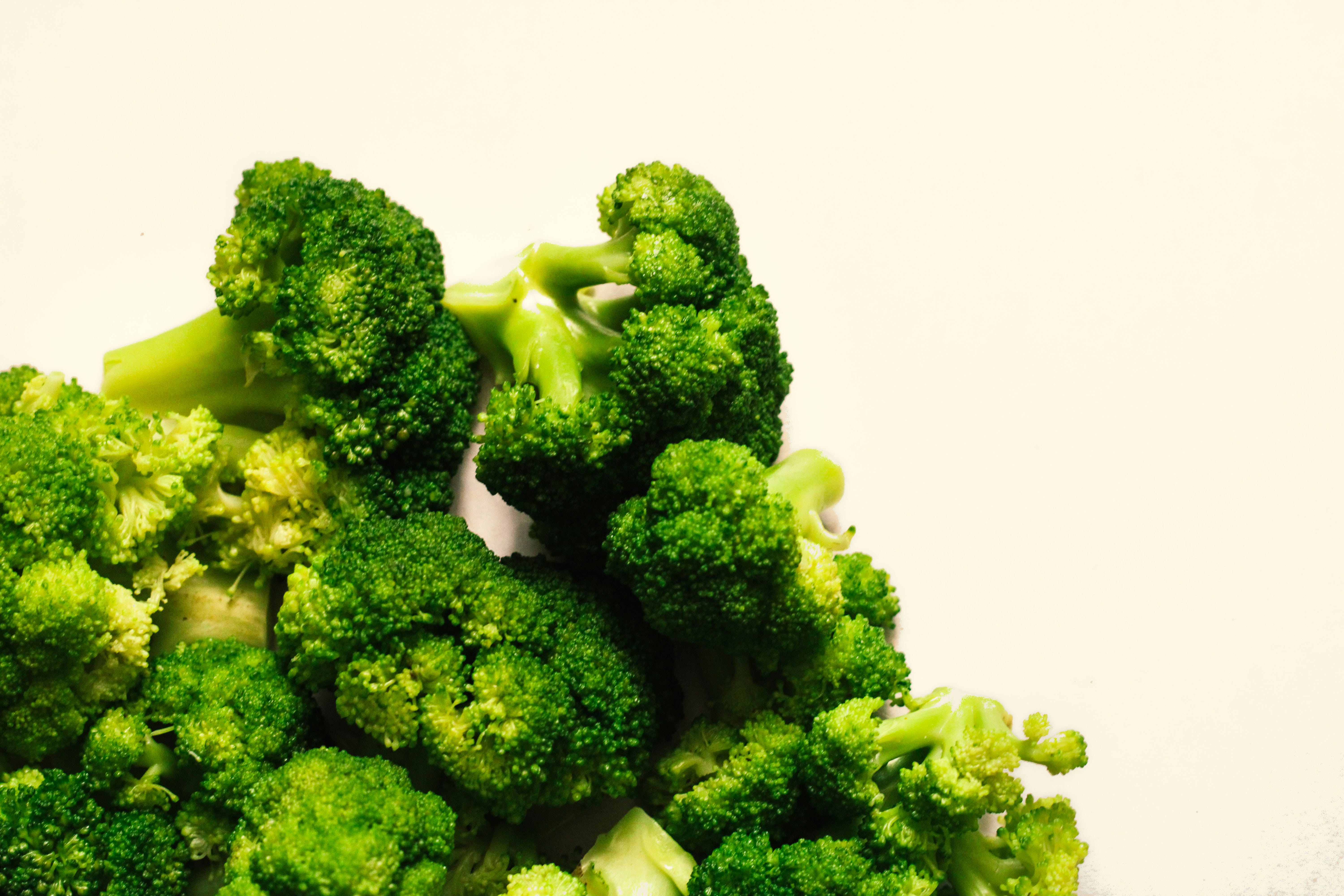
Fresh sprouts (alfalfa, broccoli, sunflower)
Raw papaya and pineapple
Raw honey and bee pollen
Fermented vegetables
Fresh vegetable juices
6. Strategic Enzyme Supplementation:
With heavy meals: for digestive support (bloating, gas, post-meal fatigue) and to spare your enzyme reserves. Choose a multi-enzyme blend that works across pH levels 2-9.
Between meals on an empty stomach: for systemic anti-inflammatory effects, cellular detoxification, age-reversing benefits
Know your source: animal-derived (pancreatic enzymes from cows/pigs—all three enzyme types), plant-derived (bromelain from pineapple, papain from papaya), or microbial/fungal (widest variety, often most pH-stable)
7. Watch the Enzyme Killers
Fluoridated water may decrease lipase and protease production
High heat destroys food-based enzymes (why raw matters molecularly)
Chronic stress diverts enzyme production toward stress response over digestion
Overeating overwhelms your enzyme capacity, forcing your body into enzyme debt
Your Enzyme Reserve = Your Longevity Reserve
Understanding that every enzyme-depleted meal creates an energy deficit—and every enzyme-rich meal creates an energy surplus—changes how you approach food entirely.
The takeaway: Your body runs on a finite enzyme budget. Whether you spend it on digestive labor vs. cellular maintenance and regeneration is partially within your control. This is the enzyme economy. This is the secret to aging in reverse, or at least, aging optimally.