


There’s a reason you leave some grocery stores feeling vaguely depleted and others feeling like you just did something quietly radical. It’s not in your head. It’s in the food.
Everything you eat is either conducting life force into your cells or pulling the plug on it. Your body is an electrochemical system. It runs on conductivity. And what you choose to put in your cart every week either charges that system or slowly drains it.
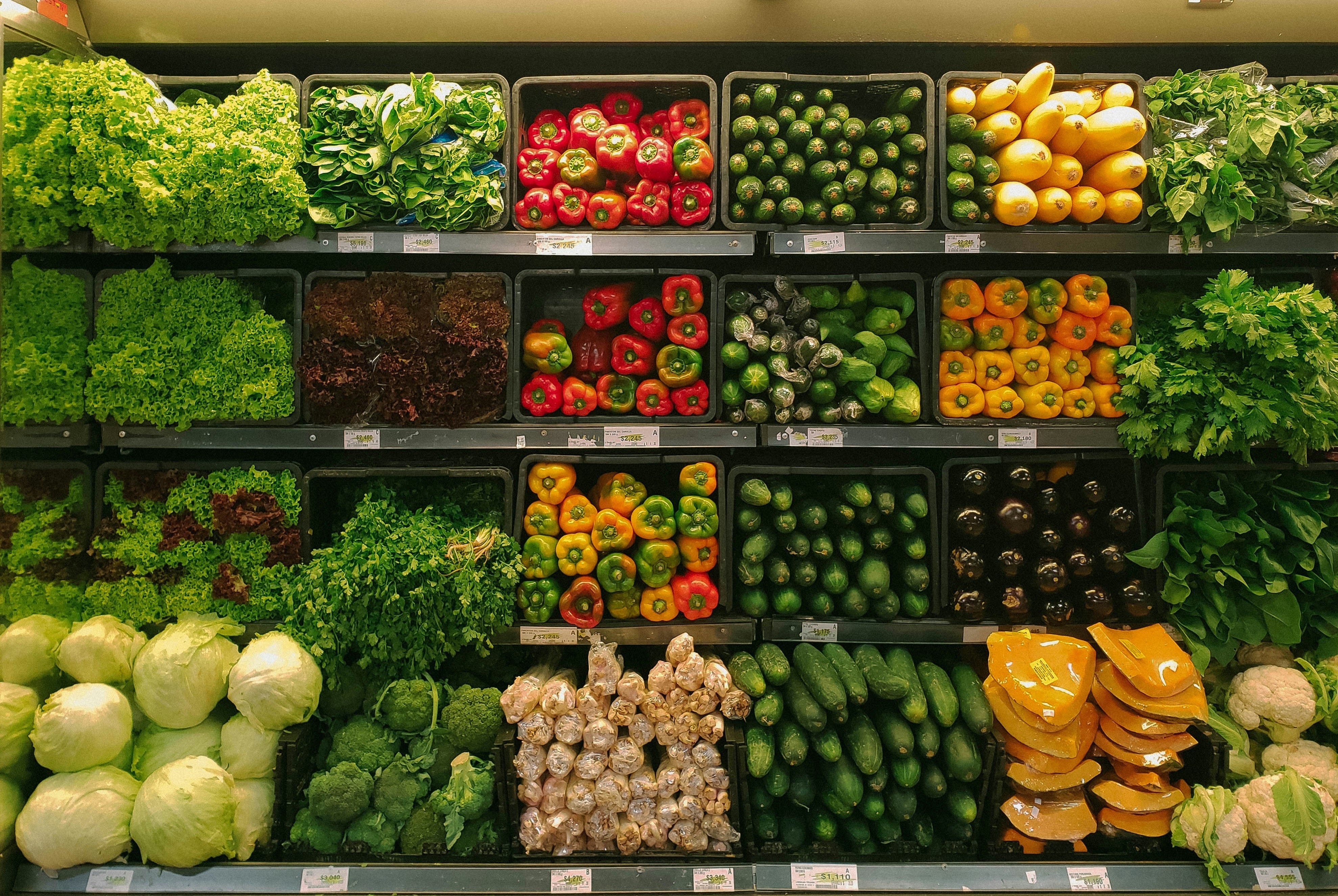
This guide is a map for people who are already awake to the fact that the standard way of eating is quietly working against them, and who want a smarter, more intentional way forward.
Start here. These are what your body was actually designed to run on:
All raw fruits and vegetables (including avocado)
All raw fruit and vegetable juices
Young coconuts and water
Living spring water
Vital air
Mother’s milk for babies
THAT SAID — for most people, a diet of purely raw, water-containing foods would trigger detox shock: a physical and emotional upheaval that derails progress rather than accelerating it. These vital substances need to be integrated wisely, not all at once.
The Bridge
Think of clean living as crossing a bridge. On one side: the processed, depleted, chemically-loaded food landscape most of us were raised in. On the other: a way of eating so alive and electrically charged that your body barely has to work to absorb it. Most of us are somewhere in the middle — and that’s not a failure. That’s the bridge.
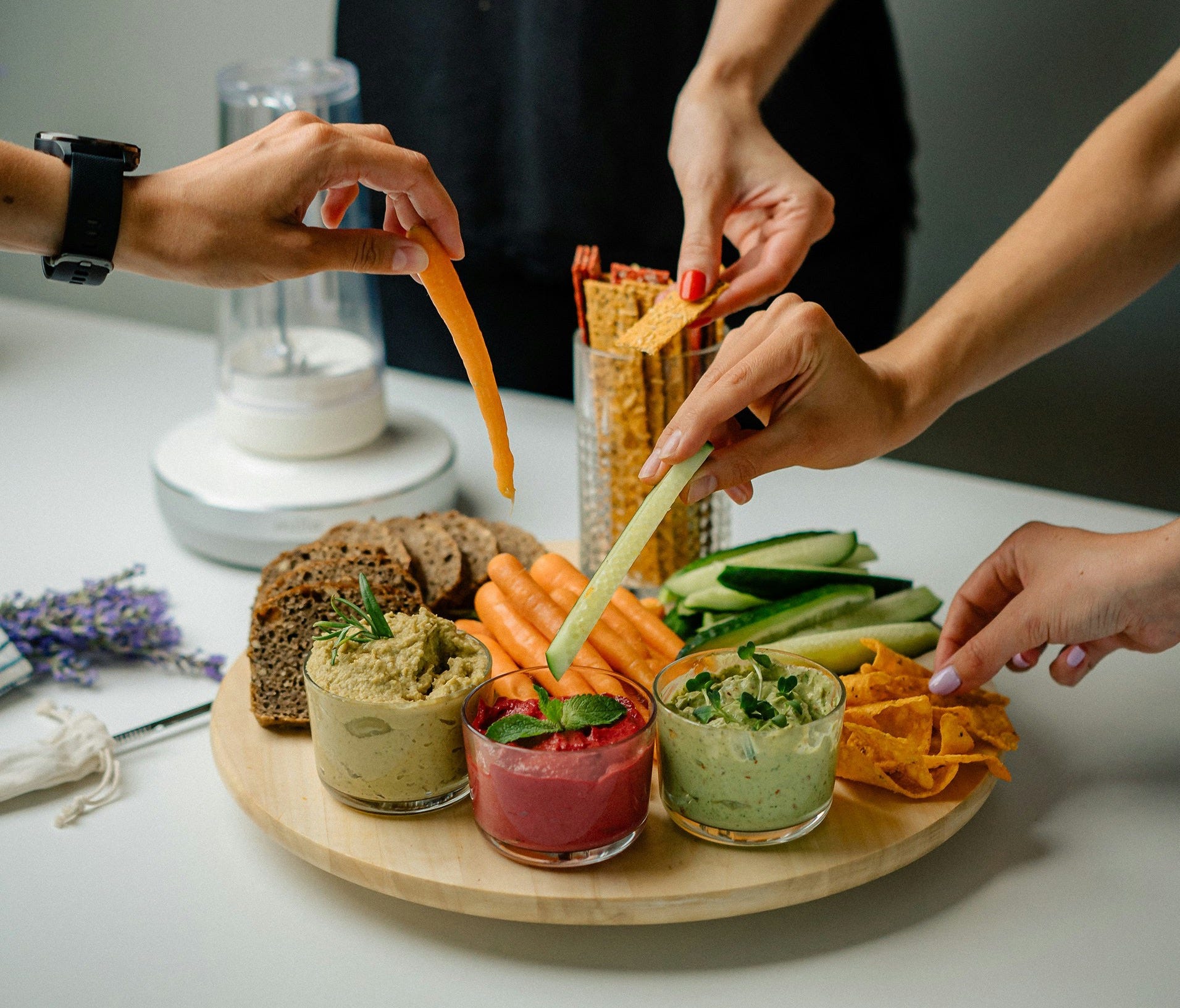
This is where transition foods come in. They’re not life force generators. They won’t charge your cells the way a cold-pressed green juice or a perfectly ripe piece of fruit will. But they’re far less toxic than what most people are currently eating, and they make this lifestyle actually livable. Some people lean on them heavily at the start, using them as a foothold while they find their footing. Others keep them in rotation indefinitely, woven into a life that’s largely clean but also real.
What matters is direction. A little more alive than last week. A little more intentional than last month. The bridge holds.
Section 1: The Foundation — Raw, Water-Rich, Alive
Here is a list of life-generating foods to build every shop around.
Vegetables:
Greens (for juicing and salads — these are not the same purchase)
Celery, cucumber, carrots — the juicing trinity
Garlic and ginger root
Potatoes and sweet potatoes
Winter squash: acorn, butternut
Fresh herbs: cilantro, parsley, basil, mint
Whatever is in season and local — follow that
Fruit:
Lemons and limes
Apples, berries, bananas, melons
Avocado
Whatever seasonal fruit you actually love and will eat
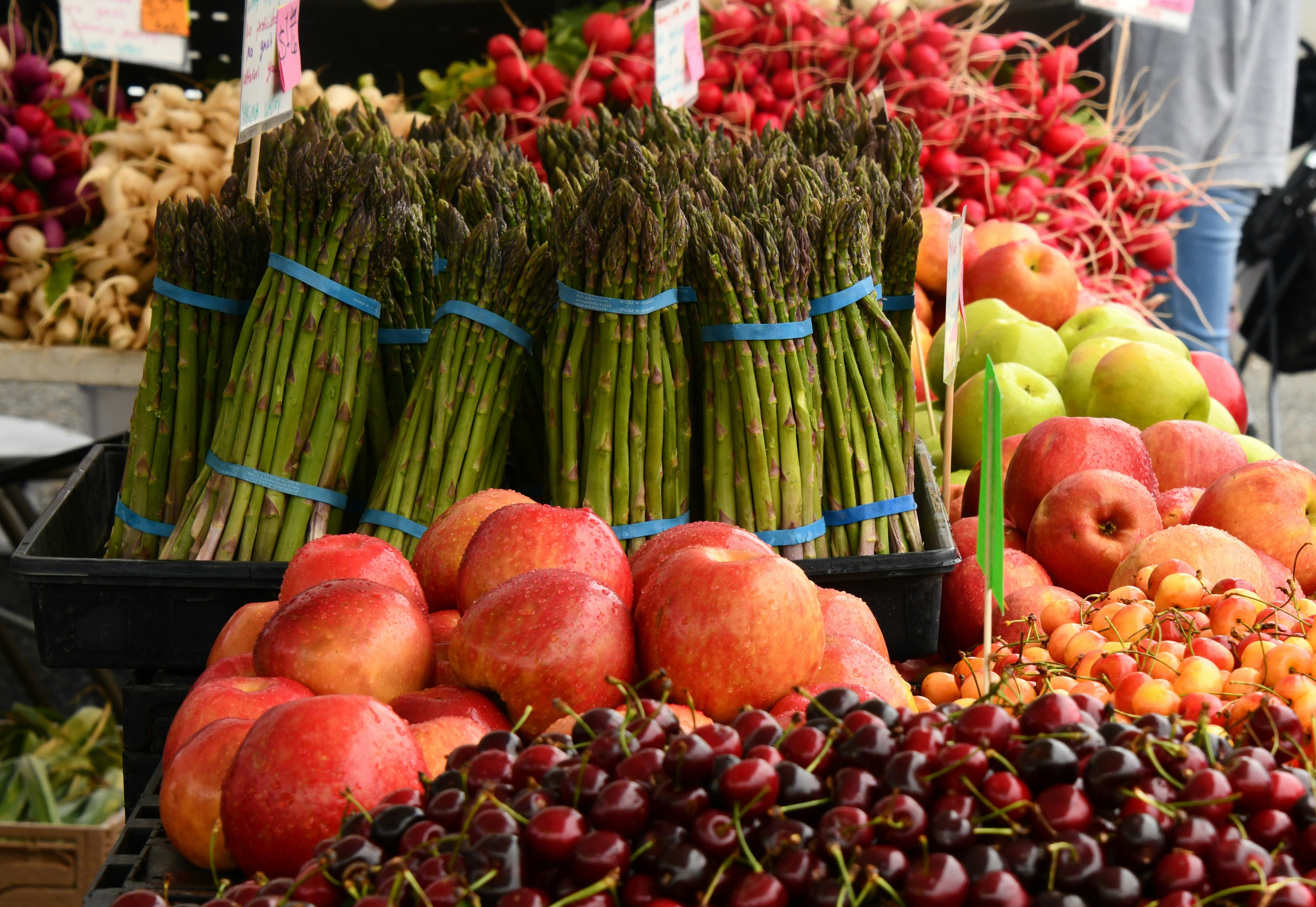
Prioritize organic on anything you eat the skin of. When in doubt, reference the Dirty Dozen.
Section 2: The Neutral Zone — Cooked, Grounding
Here is a list of neutral foods that ground and stabilize without stripping vitality.
All cooked vegetables — steamed, roasted, sautéed
Sweet potatoes, yams, butternut squash, spaghetti squash, pumpkin, acorn squash
Baked apples, stewed prunes, roasted bananas
Organic unsalted butter
Section 3: Proteins — Choose with Discernment
Here is a list of slightly acidic proteins that are useful to include on a daily basis.
Raw cheddar-style goat cheese
Goat milk and goat/sheep yogurt (structurally easier to digest, low inflammation)
Eggs from organic, pasture-raised, free-range chickens
Wild-caught fish (sardines, mackerel, salmon, anchovies)
Occasional:
Organic, pasture-raised chicken
Wild game
Source matters more than frequency.
Section 4: The Grains — Not Ideal, But Honest
Here is a list of grain items that can be included on a daily basis on the bridge.
Best choices:
Quinoa, buckwheat, spelt
Sprouted grain breads, bagels, tortillas, and hamburger buns (Ezekiel and Alvarado St. Bakery — freezer section)
Spelt, quinoa, buckwheat, or whole wheat pasta
If the word “whole” doesn’t appear before “wheat” on the label, put it back.
Section 5: The Pantry — Condiments, Sweeteners & Packaged Goods
Here is a list of clean pantry staples to replace the toxic defaults hiding in most kitchens.
Condiments and sauces:
Organic marinara sauce (no added sugar, minimal or no added oil)
Organic ketchup
Organic Dijon mustard
Nama Shoyu soy sauce or Bragg coconut aminos
Pure fruit spread, no added sugar (St. Dalfour’s)
Sweeteners:
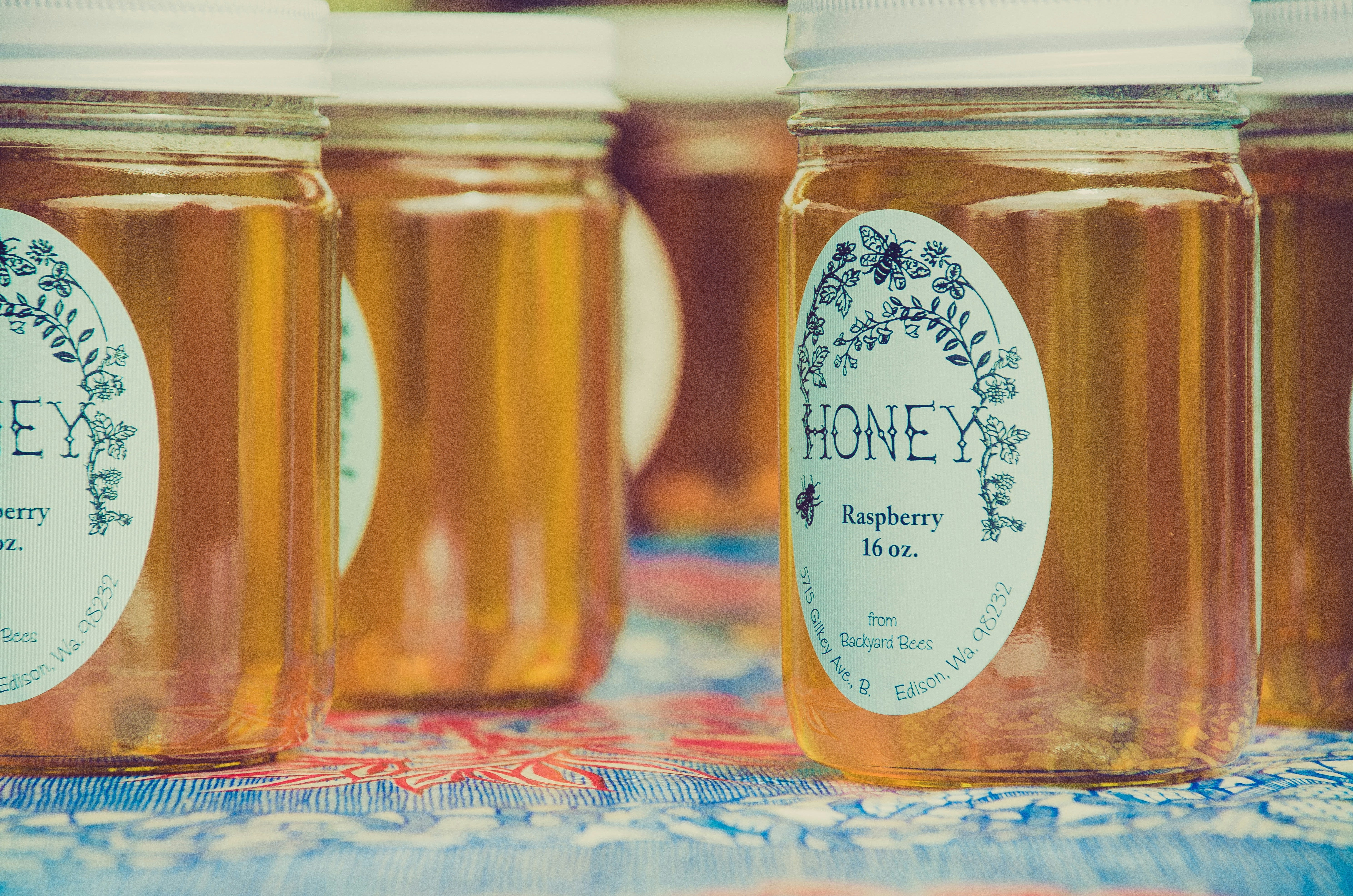
Raw honey
Organic agave nectar
Organic pure maple syrup
Stevia
Staples:
Raw nut butter — almond, cashew, or hazelnut
Nut milk (Malk, Elmhurst)
Organic cocoa powder
70%+ dark chocolate
Herbal tea
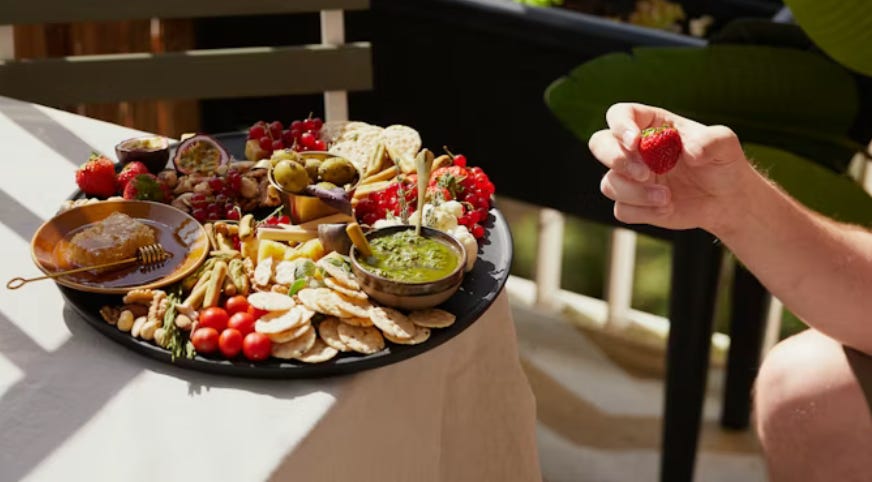
Fun Snacks:
Boulder Kettle chips (made with avocado oil)
Siete grain-free tortilla chips (made with cassava, avocado oil)
Hu Kitchen chocolate (no refined sugar, no cane sugar, no soy lecithin)
Honey Mama’s cacao honey bars (refrigerated section — raw cacao, raw honey)
Raw Snacks:
Raw nuts and seeds (soaked when possible)
Medjool dates
Dried fruit, unsulfured and unsweetened
Raw nut butter on sprouted grain toast
Dark chocolate (70%+)
A Final Word on the Cart
You don’t need to do all of this at once. Pick the section that feels most manageable and start there. Swap one condiment. Add a green juice. Try sprouted bread instead of regular. Small shifts, made consistently, compound faster than you think.
The most powerful thing you can do for your health isn’t a cleanse or a protocol. It’s showing up to the grocery store with intention, week after week, and making slightly better choices than you did before.
That’s it. That’s the whole practice.
Print this list, save it to your phone, or screenshot the sections that apply to where you are right now. Come back to it as you’re ready for more.