Most of us grew up hearing the same advice: drink more water.
And so we do. We carry our bottles everywhere, we refill them religiously, and we chug when we’re tired, dry, bloated, or foggy.
But here’s a strange experience many people have:
You drink a lot of water… and still feel thirsty.
Or you drink a lot… and just pee.
Or you drink a lot… and don’t feel hydrated at all.
Here’s what most people don’t realize:
Drinking water isn’t the same as staying hydrated.
We assume water automatically hydrates us. But hydration is actually a three-step process:
1. Absorb water through the stomach and small intestine. As soon as you swallow, water travels down your esophagus into your stomach. Some water gets absorbed directly through the stomach lining (about 20%), but the real action happens in your small intestine - that’s where 80% of water absorption occurs. From there, water enters your bloodstream through tiny capillaries in the intestinal walls.
2. Pull water into the bloodstream. Once in your bloodstream, water immediately starts mixing with sodium, potassium, and other minerals. If there aren’t enough electrolytes present, your blood becomes diluted. Your body reads this as a problem, not a solution. This mineral-water balance controls everything: blood pressure, nerve signals, muscle contractions, even your heartbeat.
3. Distribute water into your cells. This is the real goal. Water doesn’t just flow into cells automatically. It moves from the bloodstream into your cells through osmosis, but ONLY if the right conditions exist. When minerals are present, cells literally swell slightly as they rehydrate = cellular hydration.
If minerals are missing at step 2, absorption becomes inefficient. Your kidneys will sense the imbalance and flush out the water instead of holding onto it.
This is why you can drink tons of water and think: “Why am I still thirsty?”
Why Your Body Sometimes Flushes Out Plain Water
Your kidneys are constantly checking the ratio of water to electrolytes in your blood. When you drink a lot of plain water especially quickly you temporarily dilute this ratio.
So your kidneys react: “Too much water, not enough minerals. We can’t keep this.”And you pee it out.
This explains the classic signs of “water without minerals”:
You pee right after drinking
Your urine stays clear all day
You feel thirsty again within minutes
You feel fatigued, dizzy, or headachey despite drinking
Your skin still looks dull
This isn’t dehydration; it’s poor absorption. Your body got the water… it just couldn’t use it.
So What Makes Water Actually Absorb? Electrolytes.
Electrolytes (especially sodium, potassium, chloride, magnesium) create the gradients that pull water:
from the gut → into the bloodstream
from the bloodstream → into cells
Think of water as the delivery truck and electrolytes as the address system telling water where to go. Without the address? The truck wanders around and gets sent back. To be truly hydrating, water needs minerals. Sodium, potassium, and magnesium.
No minerals = no gradient = water stays outside your cells.
The result? You’re simultaneously bloated AND dehydrated. Your tissues are puffy but your cells are parched.
In Traditional Chinese Medicine, they’ve understood this for centuries. They call plain water “empty water” it creates dampness in the body without actually nourishing it. That heavy, sluggish feeling where you’re retaining water but still feel dry? That’s what TCM practitioners mean by “pathological dampness.” The minerals are what give water its yang quality - the active, energizing aspect that transforms water from a burden into medicine.
You don’t need fancy powders, nature has its own electrolytes:
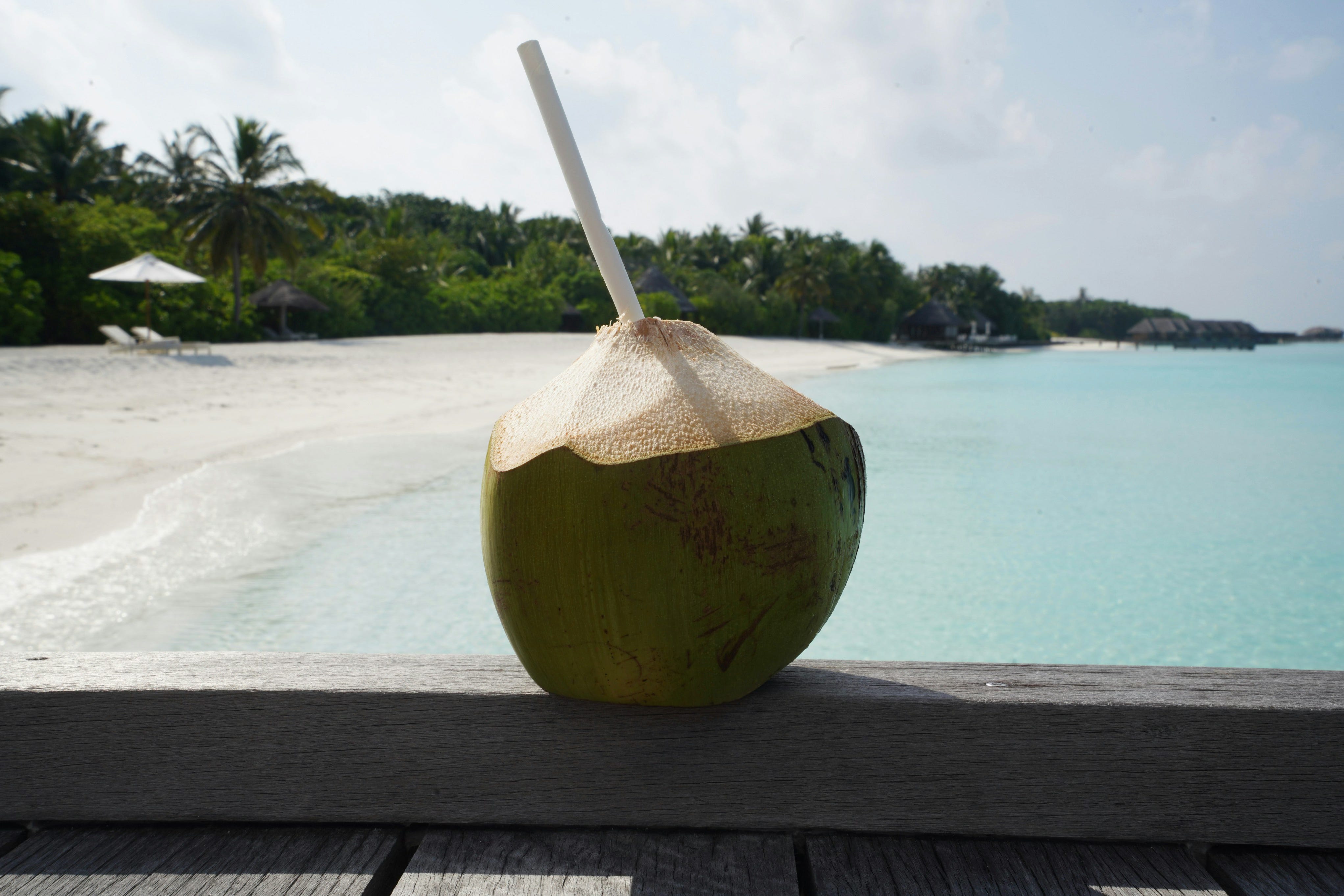
Coconut water, fresh juice
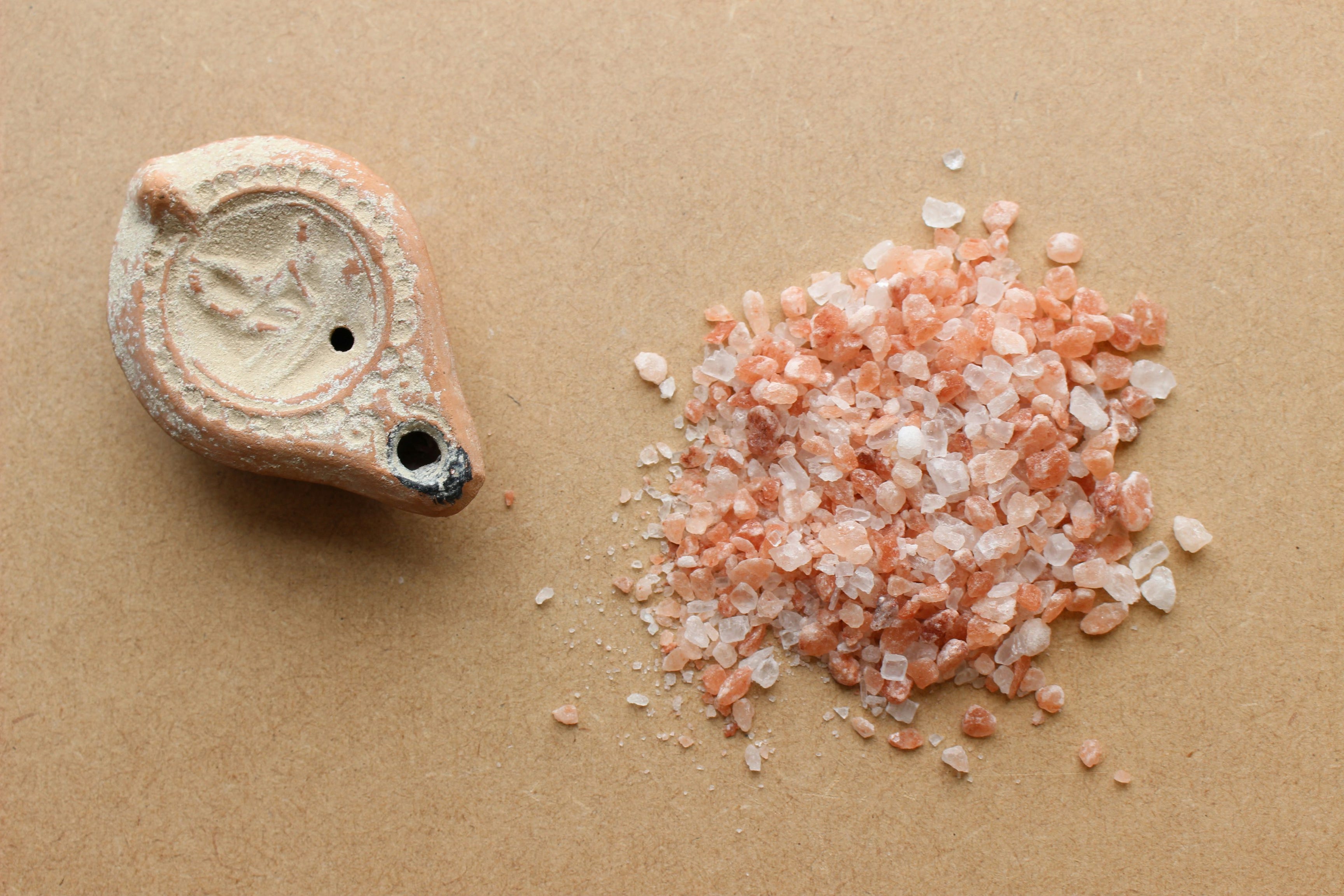
Sea salt
Bone broth
Watermelon, grapes, cucumber, oranges
Mineral-rich spring water (Mountain Valley, Icelandic, Evian)
Just a pinch of sea salt in a glass of water can transform its retention.
Why Most Electrolyte Products Are (Expensive) Trash
Let’s talk about that $45 electrolyte powder with the minimalist packaging. Most mainstream options are glorified sugar water. Gatorade has 21g of sugar when you only need 2-3g max for sodium absorption. The minerals? Usually wrong ratios (you need 3:1 sodium:potassium, they’re often backwards). Then there’s “natural flavors” (not natural), maltodextrin (higher glycemic than sugar), citric acid from black mold, and silicon dioxide that disrupts your gut. Meanwhile, ¼ tsp Celtic salt + ⅛ tsp cream of tartar + lemon in water costs $0.15 and works better than their $3 serving. The only decent one I use is Trace Minerals drops. But honestly? Your ancestors used bone broth and sea salt. Stop paying for marketing :)
What Determines Whether Water Reaches Your Colon?
Most people are surprised to learn that water doesn’t normally need to reach the colon to keep you hydrated.
Your body wants to absorb it way earlier in the small intestine. But water can reach the colon depending on certain conditions.
Water is less likely to reach the colon when:
You sip water slowly
Electrolytes are present
You’re moderately dehydrated
You’ve eaten (food slows absorption and improves retention)
In these cases, the small intestine absorbs water efficiently and sends it straight into your bloodstream.
Water is more likely to reach the colon when:
You chug water quickly
You’re low in minerals
You’re fasting or haven’t eaten
You’re already well-hydrated
The water is demineralized (distilled, reverse-osmosis, overly filtered)
In these situations, your small intestine doesn’t (or can’t) absorb everything at once.
So the excess moves onward → to the colon.
What the Colon Actually Does With Water
The colon is your body’s water recycler. It decides:
“Should we absorb more water to prevent dehydration?”
“Or should we release water into the stool to keep digestion moving?”
If you’re dehydrated: your colon grabs every drop.
If you’re hydrated: your colon lets water go, softening stool.
This is why hydration affects constipation: the colon’s job is basically to fine-tune your water balance.
The Bottom Line
Hydration isn’t about how much water you drink… It’s about what your body can absorb and retain at the cellular level.
When water has electrolytes, your sodium-potassium pumps fire up, aquaporins open, your cells pull water in, your energy lifts, your skin plumps up, and your thirst finally turns off. You’re giving water its yang quality: making it active, not passive.
Next time you chug water and immediately run to the bathroom, don’t assume you need more water. You might just need more minerals to create that cellular gradient.
Your cells are electric. Give them what they need to spark.