


You've heard "you are what you eat," but this research1 from the Journal of the American Medical Association just proved it's literally true. The study shows the right food choices can cut your risk of dying from heart disease, stroke, and diabetes by nearly half. Translation: your daily food decisions have more power over your health than you ever imagined.
The challenge? Getting people to actually pay attention. But here's the twist—instead of focusing on what you should avoid, lead researcher Micha suggests a more compelling approach: emphasizing the incredible benefits of eating the right foods and the nutritional power they offer.
The researchers analyzed data from major health surveys spanning over a decade, examining how key foods affect our health:
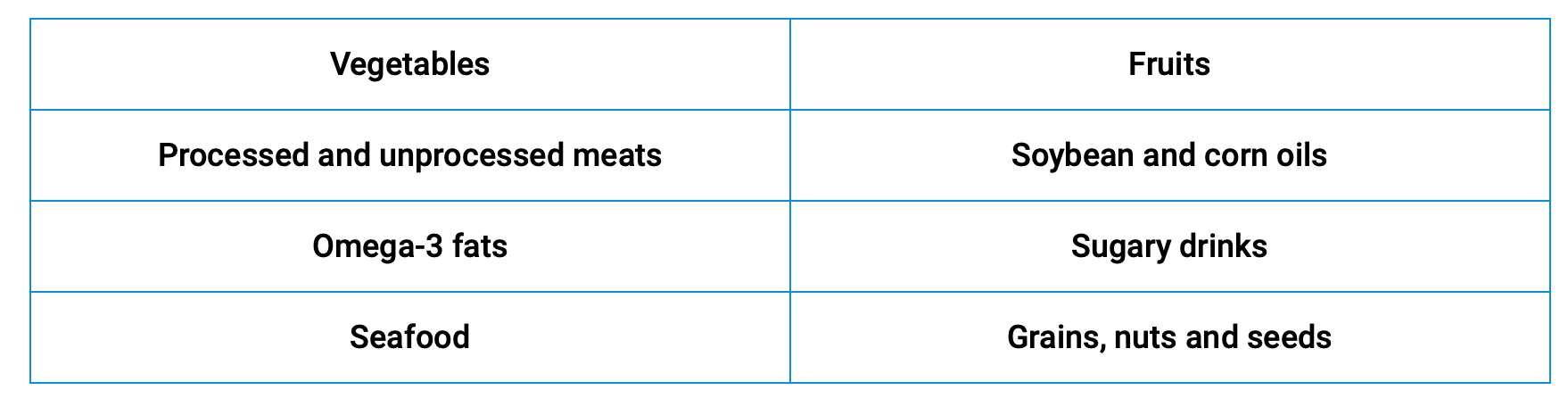
Out of over 700,000 deaths from heart disease, stroke, and diabetes, nearly half were linked to eating too much or too little of these specific foods.
Excess protein for example requires your body remove excess nitrogen waste from your blood, stressing your kidneys. It can trigger the pathways rapamycin (mTOR) and GCN2, involved in cancer and aging. Most people eat twice as much meat as needed, and quality matters enormously. Processed meats like bacon, hot dogs, and deli meats (e.g. prosciutto) are now classified as carcinogenic.
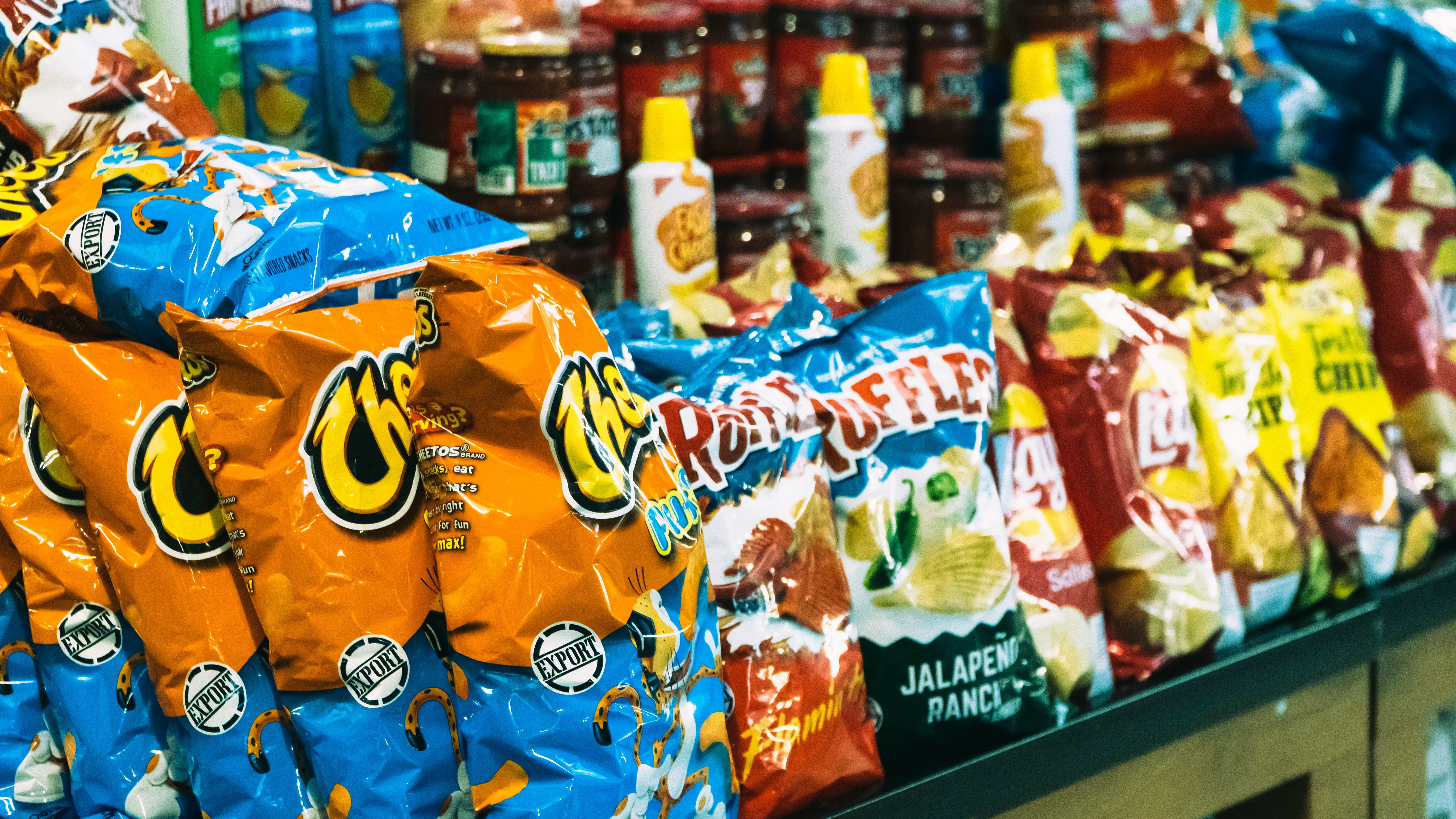
Here's the uncomfortable truth—our modern food landscape has us eating garbage, and we don't even realize it. Ultra-processed foods now make up 60% of the average diet, and these aren't actually food—they're industrial products engineered to be irresistible while offering zero real nutrition.
What Makes It Garbage?
Ultra-processed foods are basically lab creations made from food-like substances, chemicals, and additives, with little to no actual food remaining aka “non-food”. They're designed for profit and shelf life, not your health, and contain ingredients such as emulsifiers, stabilizers, artificial flavors, colors, preservatives, sweeteners etc.
The “non-food” list includes:
Sugary cereals and breakfast bars
Chips, crackers, and packaged snacks
Soda, energy drinks, and flavored waters
Frozen dinners and instant meals
Chicken nuggets and processed meats
Most commercial breads and baked goods
Candy, cookies, and packaged desserts
Flavored yogurts with artificial additives
There is no “moderation”. Cut all these out.
Your Blueprint for Optimal Health
The research provides a clear roadmap for transforming your health through nutrition:
Daily nutrition targets:
3 pieces of fruit
2 cups cooked or 4 cups of raw vegetables (I prefer raw)
8 ounces of seafood weekly
5 one-ounce servings of nuts or seeds per week
Weekly guidelines:
Limit red meat to 1 serving (5-8 ounces)
These aren't restrictive rules—they're a prescription for vitality and longevity.
Supercharge Your Health with Omega-3s and Potassium
Here's exciting news: two nutrients that most people lack can dramatically transform your health when you add them to your diet.
Omega-3 fatty acids from sources like krill oil, wild salmon, and flaxseed are like medicine for your heart and brain—they can markedly reduce the risk of heart attack and stroke while supporting cognitive function.
Potassium is your secret weapon against high blood pressure and stroke. While 98% of people don't get the recommended 4,700 mg daily, you can easily boost your intake with delicious foods like leafy greens, avocados, and wild-caught salmon. Your body responds quickly to increased potassium, often lowering blood pressure within days.
Smart Swaps for Better Health
Beyond the obvious improvements, some simple food swaps can yield surprising benefits:
Choose whole fruit over fruit juice: While fruit juice might seem healthy, it's essentially sugar water without the beneficial fiber. Whole fruit provides vitamins, minerals, and fiber while naturally limiting your sugar intake.
Select wild-caught over farmed fish: Wild fish contains the omega-3 benefits you're seeking, while farmed varieties often lack these nutrients and may contain unwanted additives.
Go organic for the "Dirty Dozen": Some produce is heavily sprayed with pesticides, but you can dramatically reduce your exposure by choosing organic versions of the most contaminated fruits and vegetables.

The Truth About Salt and Balance
Here's liberating news: salt itself isn't the villain. The real issue is the imbalanced sodium-to-potassium ratio in modern diets. When you eat mostly whole foods especially celery (naturally high in potassium) and limit processed foods (artificially high in sodium), your blood pressure naturally balances. If you consume too much sodium, which is common if you eat a lot of processed foods, you'll have an increased need for potassium.
Taking Action Without Overwhelm
The prospect of completely overhauling your diet can feel overwhelming, but Dr. Dariush Mozaffarian, the study's senior author, suggests a simple approach: choose one area to improve and master it before moving to the next.
Start with eliminating one harmful element—perhaps sugary drinks or processed meats—or adding one beneficial food group like nuts or leafy greens. Each small change reduces your risk factors and makes the next change easier.
Your Diet Is Literally Programming Your Genes for Health
Perhaps the most exciting discovery in nutrition science is that your food choices reprogram your genes for longevity and vitality. This research2 shows that nutrients released from food lead to changes in gene function, with the behavior of genes and protein production directly influenced by the nutrients available to your cells.
Dr. Markus Ralser, a biochemist at the University of Cambridge, explains:
"Nearly all of a cell's genes are influenced by changes to the nutrients they have access to. In fact, in many cases the effects were so strong, that changing a cell's metabolic profile could make some of its genes behave in a completely different manner."
This revolutionary finding means you have control over your genetic destiny. While we once believed genes controlled how nutrients were processed, we now know the opposite is equally true—how nutrients break down affects how our genes behave.
Foods That Activate Your Body's Anti-Aging Genes
Certain foods act as genetic switches, turning on your body's natural health and longevity mechanisms:
Cruciferous vegetables like broccoli, along with garlic and onions, contain compounds that act as genetic switches. These substances essentially unlock your tumor-suppressor genes, allowing them to activate and fight cancer naturally.
Turmeric's active ingredient, curcumin, is a genetic game-changer. Research shows that curcumin can turn off genes that promote inflammation and cancer while activating genes that support healthy cell function.
Your choices trump your genetics: Studies using identical twins demonstrate that dietary choices have more impact on health than genetic predisposition. This means you're not limited by your family history—your food choices can override genetic tendencies and program your genes for health.
How Refined Carbohydrates Damage These Pathways
Excess calories, particularly from refined carbohydrates and added sugars, increase the NADH/NAD+ ratio and lead to lipogenesis, overproduction of reactive oxygen species (ROS) by mitochondria, poor autophagy, and activation of mTOR. Your regular bread roll at lunch or rice with beans create a cascade of cellular damage.
The key genes affected include FOXO genes (particularly FOXO3), which are among the most important longevity genes in humans, and SKN-1/Nrf2, another crucial longevity pathway. When we consume refined sugar, high-fructose corn syrup, and processed grains, we disrupt multiple interconnected genetic pathways that control aging, literally accelerating cellular aging by interfering with our body's natural longevity mechanisms.
How Poor Diet Affects Your Brain
While we've focused on heart disease and diabetes, there's another critical area where your food choices make a massive difference: your brain health. Research reveals that excess weight and elevated blood sugar levels can physically impact brain structure, but the good news is that better nutrition can protect and even improve cognitive function.
The numbers tell a concerning story: more than 39% of the global population is overweight, with 13% being obese—triple what it was in 1975. In developed regions, these numbers jump to 50-60%. But here's what's important to understand about the brain connection.
Studies show that persistently elevated blood sugar levels are associated with changes in brain structure and function. Research3 published in Radiology found that among men, just 5.5% greater total body fat percentage was associated with measurably lower gray matter volume. Gray matter is the outer layer of the brain responsible for high-level functions like problem-solving, language, memory, personality, planning, and judgment.
The globus pallidus, a brain region crucial for motivation, cognition, and action, shows particular vulnerability to excess body fat. Higher body fat percentages are also associated with changes in white matter microstructure, which directly relates to cognitive function.
The brain has remarkable plasticity, and the right nutrition choices can support cognitive health and potentially reverse some of these changes.
The Bottom Line
This isn't about 100% clean eating or eliminating all fun from food. It's about recognizing that our modern food environment is literally killing us and rewriting our genetic code in harmful ways. The science is clear: eating the right foods in the right amounts can cut your risk of dying from our most common killers nearly in half while optimizing your genetic expression for health and longevity.
Your food choices today don't just determine your health tomorrow—they're literally programming your genes right now. The power to change these statistics, rewrite your genetic destiny, and transform your health trajectory is on your plate at every meal.
Source: Micha, R., et al. "Association Between Dietary Factors and Mortality From Heart Disease, Stroke, and Type 2 Diabetes in the United States." JAMA. 2017;317(9):912-924.
Source: Ralser, M., et al. "Dynamic metabolic control of gene expression through nutrient-sensing pathways." Nature. 2015.
Source: Dekkers, I.A., et al. "Obesity, Brain Volume, and White Matter Microstructure at MRI: A Cross-sectional UK Biobank Study." Radiology. 2019;291(3):763-771.
As a foodie and a student of healthy living and the role of food in that, I love the information you shared in this article, Bahar. It is simple, practical and does a great job of providing a rational behind the suggestions.