


A groundbreaking study examined how fruit consumption affects artery health by feeding hamsters both whole fruits and juices alongside a high-fat diet. The results were remarkable: animals that consumed fruit showed significantly better cardiovascular outcomes compared to those given only water.
The study1 tested equivalent human doses of three apples or three bunches of grapes daily, plus four glasses of juice (fruit party for hamsters 🍇). What researchers discovered was a clear hierarchy of heart-protective benefits.
Purple grape juice emerged as the most potent protector against artery problems, followed closely by whole purple grapes, then apple juice, and finally whole apples. But what makes these fruits so effective?
The secret lies in phenols—powerful antioxidants that give these fruits their protective properties. These compounds work by:
Lowering cholesterol levels naturally
Reducing oxidative stress that damages blood vessels
Preventing fat accumulation in the aorta (your body's main artery)
Another arterial powerhouse is Bromelain, an enzyme found in pineapples, with diverse therapeutic applications including anti-inflammatory, antiviral and anticancer benefits.
Bromelain offers significant cardiovascular benefits by preventing blood clots and reducing inflammation.2 Research shows bromelain improves heart efficiency, enhances arterial flow, and increases blood vessel permeability, leading to better oxygen and nutrient distribution throughout the body.
Here's where it gets messy. That same fruit juice that's protecting your arteries? It's also packing eight teaspoons of sugar per glass. That's a lot. Like, "your pancreas is crying" a lot.
So while grape juice might be keeping your arteries clean, it could also be:
Spiking your blood sugar harder than your morning coffee hits
Making you gain weight (the audacity!)
Basically fast-tracking you to diabetes town
Real Talk: Most of Us Can't Handle the Fruit Life
Plot twist that nobody asked for: 75% of people probably need to chill with the fruit consumption. You might need to pump the brakes on fruit if you have:
Insulin resistance (your body's literally over it)
Extra weight you're trying to lose
High cholesterol or blood pressure
Diabetes (obviously)
Recurring yeast infections (TMI but important)
The Fruit Industry Has Been Playing Us
85% of the fruit we eat today didn't even exist 100 years ago. We've been getting catfished by Big Fruit this whole time.
That Red Delicious apple? It's now 50 times higher in fructose than the OG version. Modern fruit has been hybridized to be basically candy that grows on trees.
The honeybell orange, for example, was created just 35 years ago by splicing grapefruit with tangerine. What we consider "natural" fruit is actually a highly modified version of nature's original design.
The kicker: Modern fruit has an average of 30 times more sugar than what our great-great-grandparents were eating. No wonder our pancreases are having a whole breakdown.
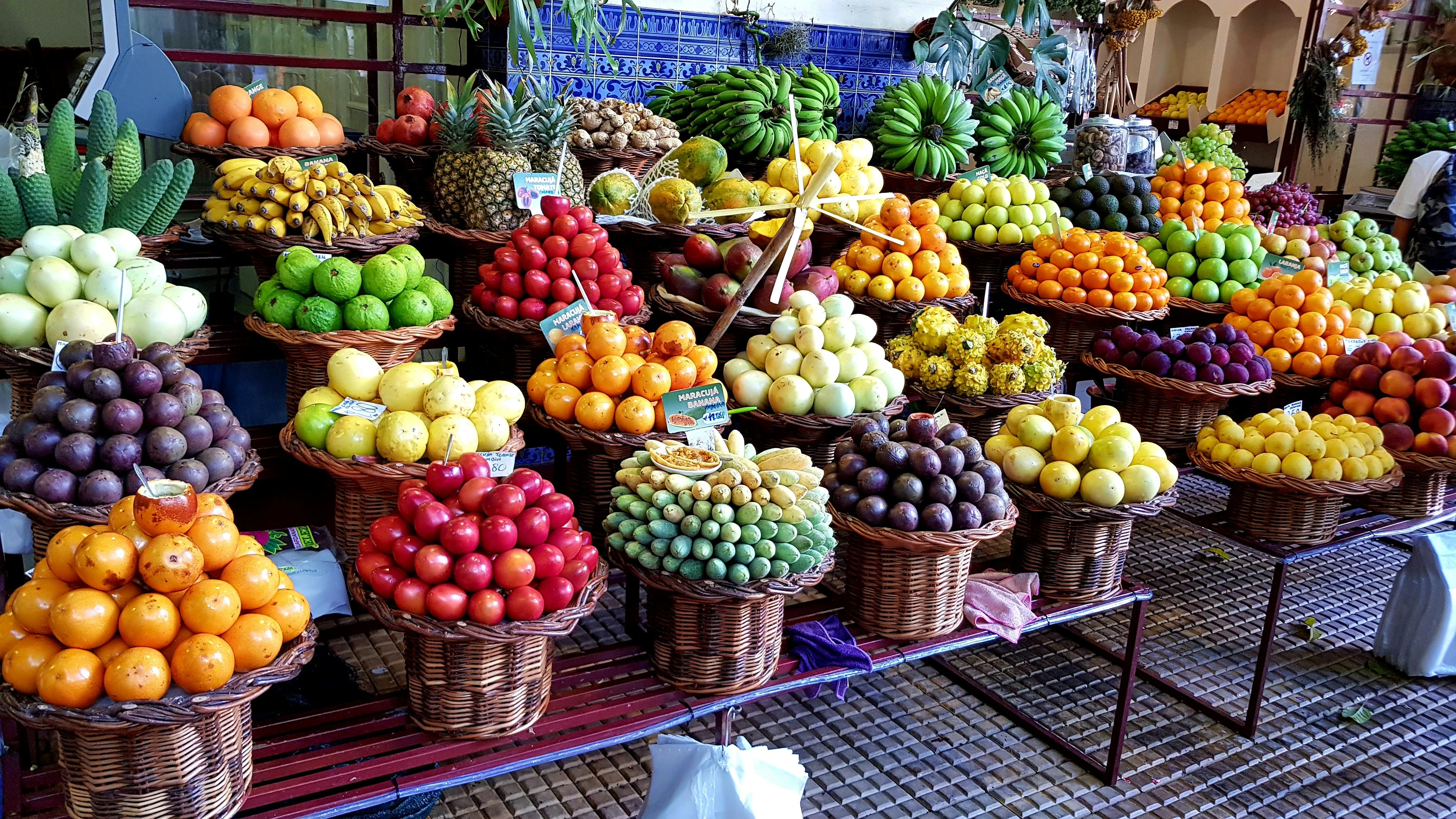
Your Store-Bought Fruit Is Fake News
Here's another plot twist: that "ripe" fruit from the grocery store? It's not actually ripe.
Here's what most people don't realize about fruit ripening:
Ripe fruit cannot be commercially processed - it would rot during shipping
Fruit is picked months before it's truly ripe to survive transportation
True ripening only occurs while attached to the tree, continuously receiving nutrients from roots and photosynthesis
Once picked, the ripening process stops and nutritional value is compromised
The fruit may look ripe in the store—changing color and softening—but this isn't the same as tree-ripening, where nutrients flow continuously from soil bacteria through roots to the fruit.
If You're Gonna Fruit, Do It Right
Golden Rules:
Eat on empty stomach and never mix fruit with other foods - no nuts, seeds, starches especially no-go
Keep it under 15% of your total diet and don’t go wild with dried fruit and bananas unless you’re an athlete
Small berries are your safest bet (they're low-key the least problematic)
Organic when possible (because we've been through enough)
Tree-ripened if you can find it
The Blender Situation Is Concerning
Turns out blending can destroy up to 90% of nutrients in 90 seconds due to oxidation. Research found that vitamins A, E, C, and other key nutrients are significantly degraded through high-speed blending, making traditional juicing a superior method for nutrient extraction.
If you're gonna process your fruits and veggies, stick to juicing. blending does NOT provide you with the same health benefits.
The Bottom Line (Because We're All Busy)
Fruit can absolutely help keep your arteries clean and your heart happy. For those who can tolerate fruit well, moderate consumption of whole fruits can provide significant cardiovascular benefits.
For true arterial health, focus on living foods in digestible combinations, ideal for optimal cellular health, nutrition, energy, weight loss, and satisfaction. This means emphasizing green juices, proper food combining, and foods that support your body's natural detoxification pathways rather than burdening them with excess sugars—even natural ones.
Remember, physical detoxification is a requisite gateway to the ultimate purification of all the fields of our being (emotional, mental, energetic and spiritual). Your arteries want to stay clean, but your entire metabolic system wants to stay functional. The goal isn't just clean arteries; it's complete cellular regeneration and the radiant health that comes from living in harmony with natural laws.
Always consult with your healthcare provider before making significant dietary changes, especially if you have existing health conditions.
https://pubmed.ncbi.nlm.nih.gov/18214852/
https://www.mdpi.com/2304-8158/10/10/2249#sec3dot3-foods-10-02249
Great tidbits here. I particularly stepped back from fruits for a few days as thought I was consuming way too much. It was 90% (along with some veggies ) of my diet plus a bit if fish m, eggs, or ricotta/cottage/yogurt for protein. What are your feelings on watermelon considering many of us can is in it in summer.