


Your body is constantly sending you messages. The 3pm energy crash. The post-meal bloat. That dull skin staring back at you in the mirror. The creeping sense that you're aging faster than you should. Yet somehow, we've gotten really good at ignoring these signals.
The Daily Dismissals
"Everyone gets bloated after eating raw veggies," we tell ourselves. "Fatigue is just part of getting older." "Brain fog is normal when you're busy." Sound familiar?
Research shows that many of us dismiss early warning signs until they escalate, assuming they'll resolve on their own. We reach for coffee instead of asking why we're exhausted, make up instead of addressing why our skin looks tired, or antacids instead of wondering what our digestive system is trying to tell us.
But here’s the truth: symptoms are not the disease. They’re the body’s attempt to save and protect itself. Suppressing them comes with a cost—symptomatic treatments can impair natural processes like liver function, digestion, and waste removal. It is far more beneficial to remove the root causes—whether that’s gallstones, nutrient deficiencies, or poor circulation—than to silence the signals.
When we treat disease as the enemy, we actually sabotage the body’s healing abilities and sow the seeds for further illness.

The Hidden Messages We Miss
Even before labs or scans pick up a problem, your body often whispers through physical, mental, and emotional cues:
Persistent inflammation or swelling may reflect oxidative stress, obesity-related cytokine activity, or nutrient insufficiencies (vitamins C, E, and selenium)
Frequent colds, infections, or slow recovery suggest immune compromise often tied to vitamin D, zinc, or chronic stress
Mood swings, irritability, or anxiety may reflect blood sugar imbalance, cortisol dysregulation, or deficiencies in magnesium, zinc, or omega-3s
Difficulty falling asleep, frequent awakenings, or waking unrefreshed can signal stress, inflammation, or nutrient deficiencies that affect recovery and cellular repair
Monitoring these patterns provides tangible insight into how well the body is coping and whether interventions like fasting/juicing, stress management, or deep restorative rest may be needed.
The most fascinating part? Many of these signals are interconnected. Your afternoon fatigue might be linked to the same nutrient deficiencies causing your skin issues. Your digestive problems could be affecting your energy levels and even your mood - scientists call this the brain-gut connection, and it's revolutionizing how we understand wellness.
Even something as simple as your fingernails is sending you messages. Research from the Orentreich Foundation tracking nail growth in nearly 300 people found that nail growth speed is a direct indicator of biological aging and metabolic health. Your nails grow fastest in your late 20s, then slow by about 0.5% each year - meaning by age 100, they're growing 50% slower than in your prime.
But here's what's really interesting: the study revealed cyclical patterns in nail growth, with alternating periods where growth either gradually slows or sharply declines, suggesting our bodies may go through phases where biological processes accelerate or decelerate in waves rather than following a steady linear decline
Temperature matters too - when circulation is poor (think cold hands and feet), nail growth can drop by 95%. That chronic coldness isn't just discomfort - it's your body signaling that circulation and metabolism aren't supporting optimal tissue regeneration.
Consider this: an estimated 80% of Americans are deficient in magnesium, a mineral crucial for energy production, muscle function, and even neurotransmitter production. Meanwhile, omega-3 deficiency is considered the sixth biggest killer of Americans, linked to everything from depression to cognitive decline.
But perhaps most telling is what happens to our muscles - the very foundation of our strength and mobility. You gradually begin losing muscle mass and strength sometime in your 30s or 40s, a process that accelerates between ages 65-80. About 5% of U.S. adults over 60 experience noticeable muscle weakness, yet most dismiss early signs as "just getting older."
The reality? Those early signals - loss of stamina, difficulty with daily activities, walking more slowly, struggling with balance - are your body's way of flagging deeper issues with cellular energy, nutrition absorption, and the aging process itself.
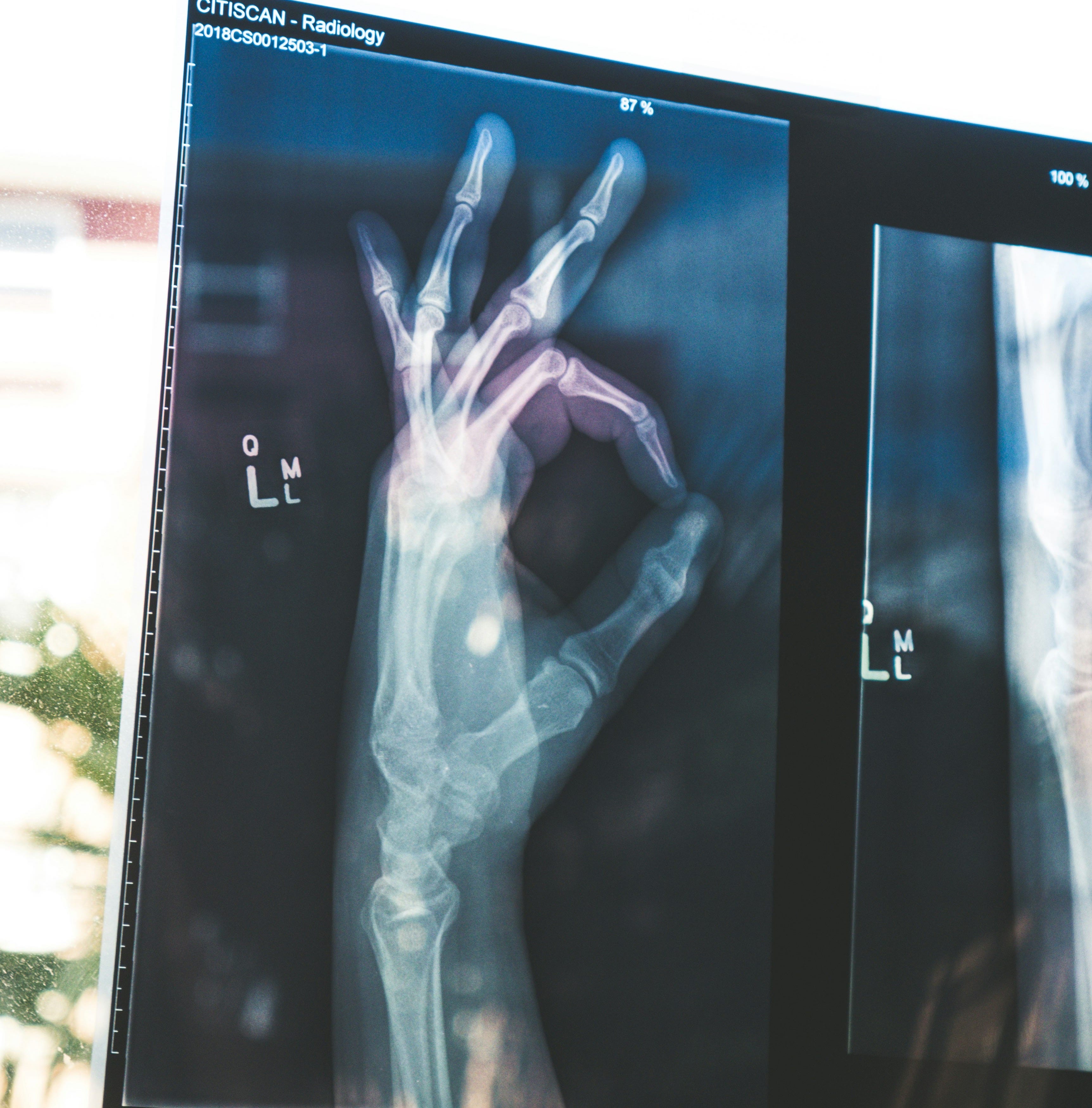
Signs of Health (as I see them)
Health has a quiet glow. You can see it, almost sense it, in the way someone moves, speaks, and rests in their body. In how clear their eyes look, with whites that almost glow. In how fast a cut closes up, showing the body’s natural repair is strong.
I also see it in stamina, balanced muscles, and skin that looks hydrated and full of life. In a steady appetite, regular digestion, and waking up already feeling restored.
And beyond the physical, I believe true health shows up in clarity of thought, quickness of mind, and resilience under pressure. It’s an emotional steadiness, a way of staying grounded without cracking.
To be clear - I do believe in scans, lab work, and medical markers. They’re important guides and reveal truths that can’t always be seen from the outside. I also believe health reveals itself in the everyday rhythms of life. Both matter.

When Toxicity Is Holding On (even when you're trying)
Sometimes, the signals are even deeper. Many of us struggle to release excess weight despite eating well or exercising, because our bodies are holding onto more than just fat—they're holding onto unprocessed emotions and stress.
You're eating less, but not seeing results: Your body stores energy as protection when it perceives scarcity or stress.
You're working out harder, but the scale won't budge: Excess fat isn't just about movement—it's about emotional weight.
You're fueling yourself well, but progress is slow: Old emotions, trauma, or survival-mode patterns create physical tension, keeping weight stuck.
The shift happens when we stop fighting our bodies and start listening. Breathwork, somatic movement, and mindful connection allow stored emotions to surface, helping your body release tension and unnecessary weight.
The Protocol Advantage: When Stress Reveals Truth
Health protocols like sauna, cold exposure, intense exercise, breathwork, or even fasting create controlled stress that amplifies your body's whispers into clear signals. When you push your limits regularly, you develop an incredibly sensitive early warning system that most people never access.
Why protocols reveal what daily life masks:
Consistent conditions make subtle changes obvious
Physical stress strips away your body's ability to compensate
You're paying attention in ways you normally don't
Your baseline becomes crystal clear through repetition
Sauna Signals
Your usual 20-min becomes unbearable at 10 min in
Lightheadedness or nausea: Dehydration, electrolyte imbalance, or blood pressure changes
Unusual fatigue during/after: Possible mineral deficiencies (especially magnesium, potassium)
Skin reactions or excessive sensitivity: Inflammation, liver stress, or detox pathway overload
Running/Cardio Signals
Earlier breathlessness: Iron deficiency, B-vitamin issues, or cardiovascular changes
Legs feel heavy or unresponsive: Circulation problems, muscle tension from stress, or recovery issues
Unusual muscle fatigue: Protein deficiency, inadequate recovery, or cellular energy problems
Mental resistance stronger than physical: Nervous system overwhelm or emotional stress manifesting physically
Cold Exposure Signals
Inability to regulate breathing: Nervous system stress, anxiety, or adrenal fatigue
Shivering earlier/more intensely: Thyroid function changes, circulation issues, or low body fat
Learning from Our Symptoms
When we start viewing symptoms as teachers, we open ourselves up to profound insights about our health and well-being. This fundamental shift transforms how we relate to our bodies—from adversaries to be conquered to wise advisors to be consulted.
Here's how we can learn from our symptoms:
1. Pay attention: Instead of immediately reaching for a quick fix, take a moment to notice what your body or mind is telling you. That post-lunch bloating isn't just an inconvenience, it's information.
2. Investigate root causes: Look beyond the symptom itself. What might be contributing to this imbalance? If you're consistently tired after meals, consider food sensitivities, portion sizes, or eating too quickly. If your skin looks dull, examine your water intake, sleep patterns, or stress levels.
3. Reflect on patterns: Do certain symptoms appear in specific situations or times? This detective work can offer crucial clues about triggers or underlying issues. Notice if bloating happens after certain foods, if fatigue hits at predictable times, or if skin issues flare during stressful periods.
4. Make connections: Our bodies and minds are interconnected in ways we're only beginning to understand. A physical symptom might have emotional roots, or vice versa. That persistent shoulder tension might be linked to work stress. Digestive issues could be connected to anxiety. Muscle weakness, bloating, skin changes, and stubborn weight can all stem from deeper imbalances in nutrition, cellular energy, or emotional processing.
5. Adjust and experiment: Use the insights gained to make small changes in your lifestyle, diet, or habits. Then observe how your body responds. Try eating slower and notice if bloating decreases. Experiment with an earlier bedtime and track your energy levels. Add magnesium and see if muscle cramps improve.
Breaking the Silence
Your body communicates constantly—from subtle whispers to loud alarms. “Chicken skin” bumps could indicate vitamin or omega-3 deficiency. Muscle cramps may be a plea for magnesium or potassium. Persistent fatigue paired with other symptoms might reveal digestive or nutrient absorption issues.
And yes, sometimes the messages are emotional too: holding onto stress or unresolved trauma can literally keep weight on your body, slow circulation, and limit energy. Addressing these deeper signals—through breath, movement, or intentional somatic practice—can unlock changes that diet and exercise alone cannot.
When we detox and clear stagnant waste from the body, it isn’t just physical toxins that leave. Negative thoughts, self-doubt, toxic relationships, even the media we consume—all of it begins to shift. What starts as a health quest transforms into something spiritual, something rooted in personal integrity as much as cellular integrity.
The Bottom Line
Imagine if we started tuning in instead of tuning out. What if your post-meal bloat was your digestive system asking for support? What if your energy crashes were your cells requesting better fuel? What if skin concerns were reflecting deeper nutritional needs?
People who make this shift describe it as transformative. They stop accepting "this is just how I feel" and start asking, "What is my body really trying to tell me?"
All you have to do is listen.
I've been thinking about this a lot lately - how many of us are dismissing signals that could actually guide us toward feeling better than we have in years. So I'm genuinely curious: what is YOUR body trying to tell you right now?
I'd love to hear what signals you're getting - and what's actually making a difference when you listen. DM to reach out.